Prefer to compare all RuPay UPI cards?
Browse and filter all 24 verified RuPay credit cards by apps, zero fees, and UPI reward rates in our live directory.
Cards Compared
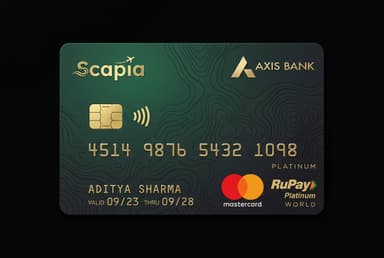
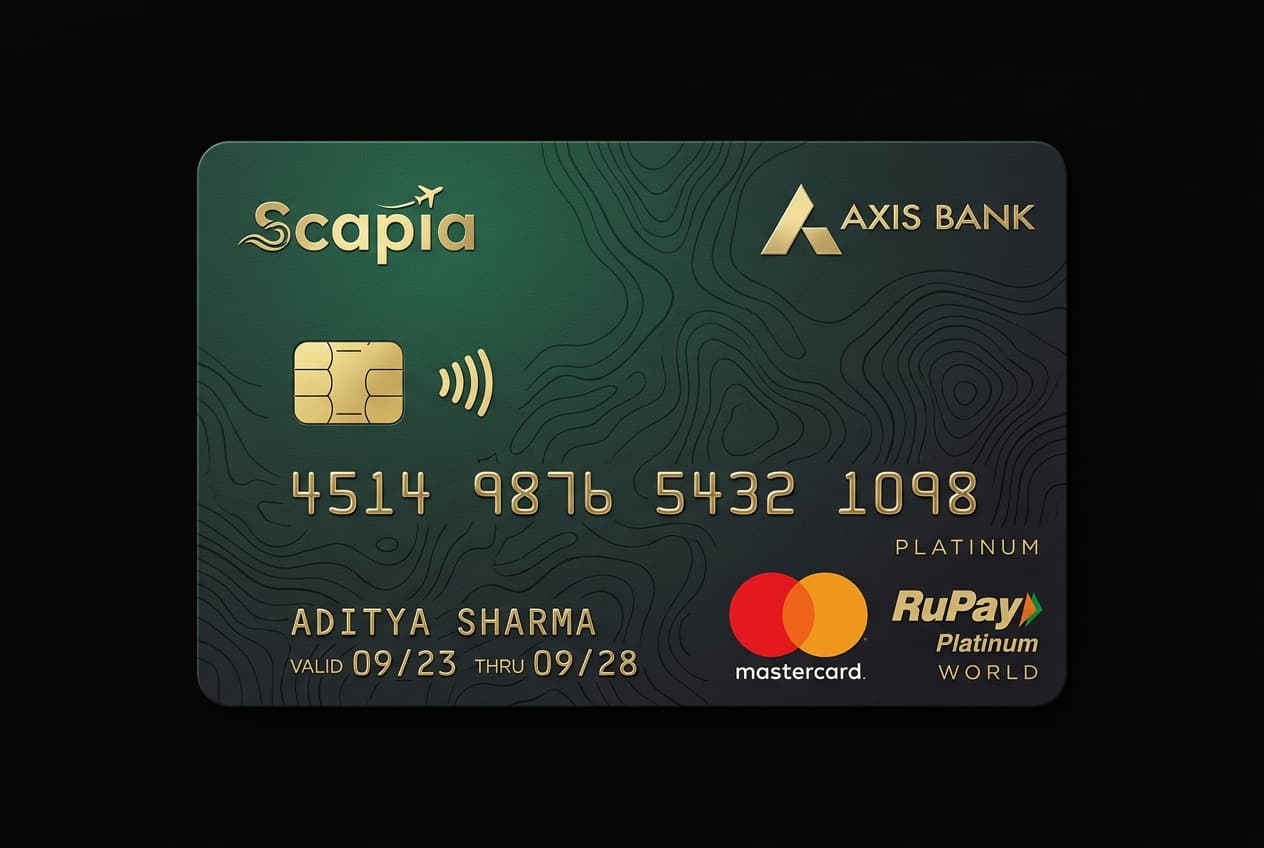
Scapia Federal Bank Credit Card
Zero Forex Markup, Scapia Travel Rewards & RuPay UPI
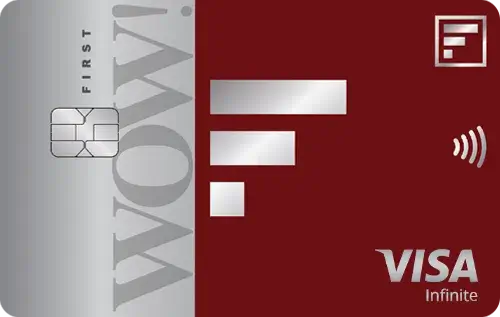
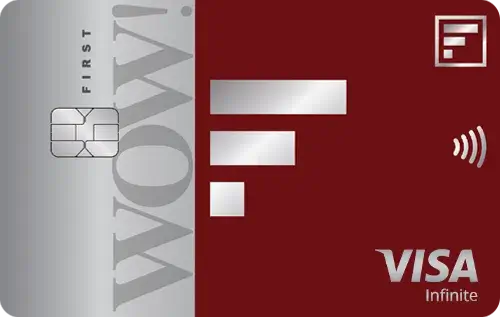
IDFC FIRST WOW! Credit Card
Credit builders, students, freelancers without income proof, and overseas travelers seeking a guaranteed-approval card with zero foreign exchange fees and high FD interest.

ixigo AU Credit Card
Budget International Travelers, Train & Flight Bookers, Online Shoppers & UPI Commuters
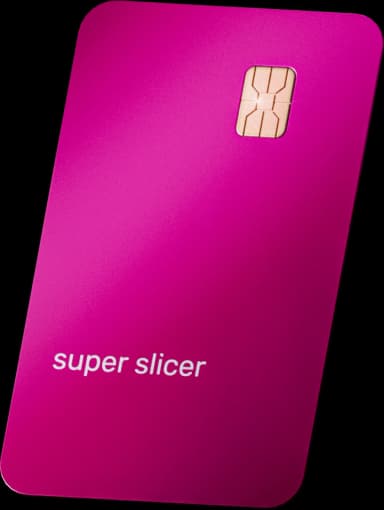
slice UPI credit card
UPI Micro-Spends, Zero-Forex International Shoppers & Flexible EMI Splitting
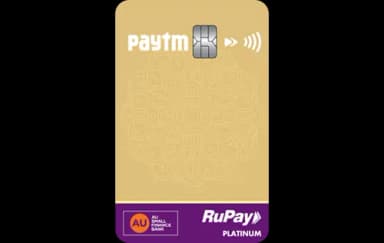
Paytm AU Credit Card
Paytm UPI spends, Paytm Travel flight bookings, and Paytm Gold
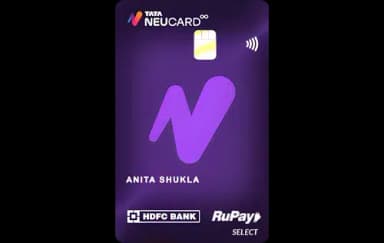
Tata Neu Infinity HDFC Bank Credit Card
Frequent shoppers across the Tata consumer ecosystem and digital spenders wanting maximum rewards on QR code merchant UPI payments.
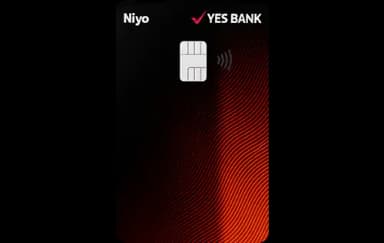
YES BANK Niyo Credit Card
International holidaymakers, digital nomads, study-abroad students, and global business travelers looking to eliminate the standard 3.5% foreign transaction fee.
In This Guide
Most Indian credit-card advice eventually turns into this:
Get one card for UPI.
Another for international travel.
Another for lounges.
Another for cashback.
Another for airline miles.
Before long, someone who only wanted to earn a little more on everyday QR payments and avoid forex markup abroad is managing five credit cards.
That is unnecessary for most people.
The more useful question in late 2026 is:
Can one credit card now handle both everyday UPI spending in India and international travel well enough that you do not need a separate forex card?
The answer is finally:
Yes — but every one-card solution still involves a compromise.
For the typical user spending around:
₹20,000/month on UPI + ₹2 lakh/year abroad across one or two international trips
the cleanest all-round setup is the Scapia Federal Credit Card.
It gives you a Visa line for international spending and a complimentary RuPay line for UPI, both under the same Scapia/Federal Bank credit relationship.
You get:
0% forex markup abroad
and approximately:
1% effective travel value on eligible RuPay UPI transactions of ₹500 or more.
But if you care about extracting the highest possible UPI return, using two cards still wins.
A dedicated UPI card such as Paytm AU or Kiwi paired with a lifetime-free zero-forex Visa such as ixigo AU can generate more value.
The important question is whether that extra value is large enough to justify carrying another card.
For a ₹20,000/month UPI user, the answer is surprisingly close.
Terms researched and verified: 24 October 2026
The Answer in One Table
| Card | UPI Return | UPI Cap / Catch | Forex Markup | Rewards Abroad | Annual Fee | Lounge | Best For | Action |
|---|---|---|---|---|---|---|---|---|
| Scapia Federal | ~1% travel value | ₹500 minimum transaction | 0% | No | ₹0 | Unlimited domestic Airport Privileges after ₹20k preceding billing cycle | Best one-account setup | |
| ixigo AU RuPay | Up to ~1.25% ixigo value | ₹99 + GST redemption fee; 10k RP/month | 0% | No | ₹0 currently | 8 domestic after ₹50k/qtr + 1 international/year | Best literal one-card for occasional traveller | Compare → |
| slice UPI Credit Card | ~1% cash at normal entry tier | Higher tiers require large monies balance | 0% | No | ₹0 | None | Maximum simplicity | |
| IDFC FIRST WOW! Black | ~0.33%–1% travel value | Depends on UPI transaction size | 0% | ~1.33% travel value | ₹750 + GST; waiver ₹1.5L | 4 domestic/year after spend trigger | Frequent international traveller | Compare → |
| Paytm AU | Up to 2% | Best value requires Paytm + Paytm Gold | Not competitive/verified as zero forex | — | ₹0 | Conditional family lounge benefit | UPI-first Paytm user | |
| Kiwi-linked RuPay | 1.5% direct cashback | Cashback cap linked to credit limit | 2.75% on YES Klick | Poor | ₹0 | Paid Neon can add lounges | UPI-first cashback user | Compare → |
| Tata Neu Infinity | Up to 1.5% NeuCoins | 500 NeuCoins/month; needs Tata Neu UPI for full rate | 3.5% | Not enough to offset forex | ₹1,499 + GST | Domestic + international | Tata ecosystem, not forex | Compare → |
| Niyo credit cards | Not a serious RuPay-UPI contender | Travel-oriented Visa proposition | 0% | Depends on variant | Mostly LTF | International benefit varies | Travel specialist | Compare → |
That table already tells us something important:
The cards with the best UPI rewards are generally not the cards you should use internationally.
And the strongest zero-forex cards often give weak or zero UPI rewards.
The gap is getting smaller, but it has not disappeared.
The ₹20,000/Month Test
Let's use the real-world scenario this article is built around.
Assume:
Domestic UPI spending: ₹20,000/month
Annual UPI spending:
₹2,40,000
International card spending:
₹2,00,000/year
representing one or two overseas trips.
We will not assign arbitrary values to lounges.
We will count only reward value that can be calculated from published terms.
Where reward value depends on redemption method, that will be stated explicitly.
Scapia Federal: The Best One-Account Compromise
Scapia has changed significantly in 2026.
The Federal Bank version now gives you:
Visa + RuPay
under the same Scapia credit relationship.
The Visa line is the international card.
The RuPay line is the UPI card.
They share one credit limit and one statement.
This is important because it solves the biggest structural problem with Indian UPI credit cards:
RuPay is needed for credit-card-linked UPI, but Visa still offers much broader international acceptance.
Scapia gives you both without maintaining two unrelated credit-card accounts.
Scapia UPI value
The RuPay card currently gives:
5% rewards in Scapia Coins
on eligible UPI transactions of at least:
₹500
But:
5 Scapia Coins = ₹1
So 5% in Coins is actually:
1% effective travel value.
₹20,000/month:
₹200 travel value/month
Annual:
₹2,400
That value can be used inside Scapia for eligible:
- flights
- hotels
- trains
- buses
- visas
- experiences
- travel shopping
This is not cashback into your bank account.
It is travel currency.
Scapia international value
The Visa card charges:
0% forex markup
but foreign transactions do:
not earn Scapia Coins.
So ₹2 lakh abroad produces:
Forex cost:
₹0
International reward:
₹0
Net annual calculable value
UPI travel value:
₹2,400
Forex markup:
₹0
Annual fee:
₹0
Net calculable reward value:
₹2,400/year
before valuing airport benefits.
That is not the highest number in this article.
But Scapia wins on integration.
One account gives you:
UPI + Visa acceptance + zero forex + travel rewards + airport benefits.
For someone who wants to stop thinking about credit cards, that matters.
Scapia's ₹20,000 Spend Trigger Fits Our Scenario Almost Perfectly
Scapia Airport Privileges activate when you spend:
₹20,000 in the preceding billing cycle
across the eligible Scapia lines.
That is exactly our assumed monthly domestic UPI spend.
If those transactions are eligible and routed through Scapia, the user can naturally meet the Airport Privileges requirement without artificial spending.
Once active, Scapia currently offers unlimited eligible domestic lounge access while privileges remain active, together with eligible airport dining, shopping and spa alternatives.
That makes the ₹20,000/month scenario unusually well matched to Scapia.
I would not assign an arbitrary rupee value to this.
But for someone who flies domestically as well as internationally, it materially strengthens the one-card argument.
ixigo AU RuPay: Better UPI Maths, Weaker International Acceptance
The RuPay version of ixigo AU is possibly the most interesting literal one-card option.
Unlike Scapia's two-line structure, you can choose a single RuPay ixigo card that provides both:
credit-card UPI
and:
0% forex markup.
Current ixigo terms give:
5 Reward Points per ₹200
on eligible UPI transactions.
Reward Points can currently be converted to ixigo money at:
₹0.50 per point.
So:
5 RP × ₹0.50 = ₹2.50
on ₹200.
Effective return:
1.25%
₹20,000/month UPI
Monthly:
₹20,000 × 1.25%
= ₹250
Annual:
₹3,000
There is, however, a:
₹99 + GST reward redemption charge
per successful redemption.
If you redeem only once annually:
₹99 + 18% GST:
₹116.82
Net annual UPI value:
₹2,883.18
That beats Scapia's ₹2,400.
And ixigo Has Zero Forex Too
International transactions currently receive:
0 Reward Points
but also incur:
0% forex markup.
So at ₹2 lakh international spend:
Forex charge:
₹0
Reward value:
₹0
Net annual calculable value from our scenario:
₹2,883
plus travel discounts and applicable lounge benefits.
Mathematically, ixigo RuPay beats Scapia in our UPI scenario.
So why isn't it the automatic winner?
RuPay Acceptance Abroad Is the Problem
ixigo itself distinguishes the two variants.
Its Visa card offers:
global acceptance
while its RuPay comparison page describes international acceptance on the RuPay version as:
limited.
This is the problem with trying to force UPI and international travel onto one network.
RuPay works internationally at participating network partners.
That does not mean I would want it to be my only credit card while travelling through several countries.
For one annual holiday where you have a backup debit card?
Perfectly reasonable.
For a frequent international traveller relying on the card for:
- hotels
- transit
- restaurants
- car rentals
- emergency spending
I would prefer Visa or Mastercard.
That is why ixigo RuPay is the best mathematical one-card option for an occasional traveller but not the best travel-reliability option.
slice: The Simplest Genuine One-Card Product
slice deserves more attention in this comparison than it usually gets.
The current slice UPI Credit Card combines:
- RuPay UPI support
- ₹0 joining fee
- ₹0 annual fee
- ₹0 forex markup
- ₹0 bank DCC markup
- rewards on eligible domestic card and UPI spends
The headline says:
up to 3% cashback.
But a normal cardholder should not budget around 3%.
Slice's “Up to 3%” Is Really a Tiered Reward System
Slice awards:
1 money per ₹1 spent
on eligible transactions.
The cash redemption rate depends on your accumulated monies balance.
At the normal entry level:
up to ₹3 lakh monies balance → 1% cash value
Higher tiers increase to:
1.5%
then:
2%
and finally:
3%
only if additional high-balance conditions are satisfied.
The 3% tier requires both:
- a very large monies balance
- an average quarterly slice savings balance of at least ₹5 lakh
That is not the normal experience of someone spending ₹20,000/month.
For our scenario, the honest rate is:
1%.
₹20,000/month UPI
Annual eligible spend:
₹2,40,000
At 1%:
₹2,400 cash
₹2 lakh international spending
Slice charges:
0% bank forex markup
International transactions do not earn monies.
So:
Forex cost:
₹0
International reward:
₹0
Annual fee:
₹0
Net:
₹2,400 cash
That is basically the same calculated value as Scapia.
But Slice gives cash rather than travel-only currency.
So Why Not Just Declare Slice the Winner?
Because a credit card used abroad is not only about forex markup.
You also care about:
- international merchant acceptance
- card-network reach
- travel support
- lounge access
- proven travel proposition
- backup-card reliability
Slice's current terms explicitly support international transactions and zero forex.
But the product is primarily marketed as a UPI card, not a travel card.
Scapia's Visa line and ixigo's Visa version have clearer travel positioning and broader documented international acceptance.
So Slice is my maximum-simplicity recommendation.
It is not my first choice for someone travelling abroad frequently.
IDFC FIRST WOW! Black: The Only Serious Contender That Rewards Forex Spending
This is where things become interesting.
FIRST WOW! Black is FD-backed.
You need:
₹20,000 minimum FD
and the card charges:
₹750 + GST joining fee
with the same annual fee from year two.
The renewal fee is waived after:
₹1.5 lakh annual spend.
For our ₹4.4 lakh combined annual spending scenario, that waiver should be easy to reach after the first year.
IDFC FIRST WOW! Black gives:
0% forex markup
plus:
4 Reward Points per ₹150 on eligible international spends.
Reward Points can be worth:
₹0.50 each
when redeemed for eligible travel through FIRST Rewards Gallery.
That creates an effective international reward rate of:
4 RP × ₹0.50 = ₹2
per ₹150.
Effective:
~1.33% travel value
on eligible international spend.
This is rare.
Most zero-forex cards simply remove the forex fee.
WOW! Black can create positive reward value on top.
₹2 Lakh International Spending on WOW! Black
₹2,00,000 ÷ ₹150 × 4 RP
≈ 5,333 Reward Points
At ₹0.50/RP:
≈ ₹2,667 travel value
Forex markup:
₹0
That is clearly stronger international economics than Scapia, ixigo or Slice.
But WOW! Black Is Not Great for Small UPI Transactions
The complimentary virtual RuPay card earns:
1 Reward Point per ₹150
on UPI transactions up to ₹2,000.
Transactions above ₹2,000 earn:
3 Reward Points per ₹150.
At the enhanced travel redemption value of ₹0.50/RP:
UPI transaction ≤₹2,000
1 RP per ₹150
= roughly:
0.33% travel value
UPI transaction >₹2,000
3 RP per ₹150
= roughly:
1% travel value
So your UPI return depends enormously on transaction size.
For a ₹20,000 monthly user:
Worst realistic boundary
If effectively all UPI spending is through transactions of ₹2,000 or less:
Annual UPI travel value ≈
₹800
Upper boundary
If all qualifying spend is in transactions above ₹2,000:
Annual UPI value ≈
₹2,400
Real-world everyday UPI behaviour will usually fall somewhere between those two.
That is substantially weaker than the best UPI-specialist cards.
WOW! Black Annual Value in Our Scenario
International travel value:
~₹2,667
UPI value:
~₹800 to ₹2,400
First-year joining fee incl. 18% GST:
₹885
Approximate first-year net:
₹2,582 to ₹4,182
excluding welcome benefits and lounges.
From year two, our assumed annual spend exceeds the ₹1.5 lakh waiver threshold.
So if the annual fee is waived:
Approximate recurring calculated value:
₹3,467 to ₹5,067
That is extremely competitive.
But you have to be comfortable locking an FD.
Kiwi: The Better Pure UPI Card, Not the Better Travel Card
Kiwi's cards are straightforward on domestic UPI.
The current free-tier proposition gives:
1.5% direct cashback
on eligible Scan & Pay transactions.
Cashback goes to a linked bank account.
That is much easier to understand than reward currencies.
₹20,000/month would theoretically produce:
₹300/month
or:
₹3,600/year.
That beats Scapia, Slice and ixigo's net redemption value.
But there is an important cap.
Kiwi's current reward policy says monthly Kiwis earned are capped based on:
1% of the credit limit.
Since each Kiwi is currently worth ₹0.25, the real cash return can be lower for users with smaller credit limits.
Do not simply multiply every Kiwi user's spending by 1.5% without checking the individual's card limit.
Kiwi Abroad: Don't Do It
The YES Bank Klick RuPay card currently carries:
2.75% forex markup
before GST on that fee.
At ₹2 lakh international spending:
Base forex markup:
₹2,00,000 × 2.75%
= ₹5,500
GST on the markup at 18%:
₹990
Total issuer forex cost:
₹6,490
That single cost can wipe out more than a year of UPI cashback.
So Kiwi is an excellent example of why the “one card for everything” approach can fail.
Use it domestically.
Do not make it your international-spend card.
Paytm AU: Potentially the Highest UPI Value in This Comparison
Paytm AU is even more aggressive.
Current published rates are:
2% Reward Points on eligible Paytm UPI transactions up to ₹2,000
1% above ₹2,000
and:
0.25% through other UPI apps.
The full advertised value assumes:
1 RP = ₹1 through Paytm Gold redemption.
Other redemption routes are currently worth around:
₹0.50/RP.
So the headline 2% is real only if:
- you use Paytm UPI
- your transactions qualify
- your transaction sizes fit the better band
- you value Paytm Gold at face value
₹20,000/Month With Paytm AU
Suppose your ₹20,000 consists entirely of eligible Paytm UPI transactions of ₹2,000 or less.
Monthly reward value:
₹400
Annual:
₹4,800
That is stronger than Kiwi, Scapia, Slice or ixigo.
The current UPI reward cap is high enough that our ₹20,000/month scenario does not hit it.
But this is not cash.
It is optimal Paytm Gold value.
A reader who does not want digital gold should value the rewards lower.
Why Paytm AU Is Not a One-Card Travel Recommendation
The current Paytm AU proposition is excellent for:
- Paytm UPI
- Paytm Travel
- Paytm Gold
- family flight-linked lounge access
But it is not positioned as a zero-forex card.
AU Small Finance Bank's current public cross-currency table specifically identifies ixigo AU as the zero-forex product and does not establish Paytm AU as a comparable 0% forex proposition.
So I would not use Paytm AU abroad until its current card-specific international fee is clearly verified from the applicable KFS.
That immediately eliminates it from the one-card winner discussion.
Tata Neu Infinity: Strong UPI, Wrong Card Abroad
Tata Neu Infinity gives:
up to 1.5% NeuCoins
on eligible UPI spending.
The structure is:
0.5% through eligible UPI generally
plus:
another 1% when using the Tata Neu UPI ID.
UPI rewards are capped at:
500 NeuCoins per month.
At ₹20,000/month:
1.5% = ₹300
So the cap does not bind.
Annual theoretical NeuCoin value:
₹3,600
That's respectable.
But foreign spending carries:
3.5% forex markup
plus GST on that markup.
At ₹2 lakh abroad:
3.5%:
₹7,000
GST at 18%:
₹1,260
Approximate issuer forex cost:
₹8,260
That is far too expensive for a card in this article.
Tata Neu Infinity remains an excellent Tata/UPI card.
It is not a good UPI + international-travel consolidator.
Niyo: Excellent International Proposition, Wrong Side of the UPI Equation
Niyo's current travel cards remain strong zero-forex products.
The current YES Bank Niyo card advertises:
- zero forex
- lifetime-free pricing
- domestic rewards
- international lounge access
Niyo's secured credit-card products also remain compelling for travellers who want zero forex and an FD-backed route.
But the current credit-card proposition is Visa/travel focused rather than a competitive RuPay credit-card-on-UPI product.
The new YES Bank Niyo card is also currently shown on a waitlist.
So Niyo belongs in a dedicated international-travel comparison.
It does not solve the domestic UPI side of this article.
ixigo AU vs Scapia: The Most Important One-Card Decision
If you want to own one credit relationship, this is the real comparison.
ixigo AU RuPay
UPI value:
~1.25% ixigo value
Zero forex:
Yes
International rewards:
No
International network:
RuPay, limited compared with Visa
Annual fee:
₹0 currently
International lounge:
1/year
Domestic lounge:
2/quarter after ₹50,000 previous-quarter spend
Scapia Federal
UPI value:
~1% travel value
Zero forex:
Yes
International rewards:
No
International network:
Visa
RuPay:
complimentary second line under same relationship
Annual fee:
₹0
Domestic Airport Privileges:
unlimited while active after ₹20,000 preceding-billing-cycle spend
The math favours ixigo.
The travel reliability and simplicity favour Scapia.
I would choose Scapia for most people.
₹10,000/Month UPI User
Annual UPI spending:
₹1.2 lakh
Approximate annual rewards:
| Card | Approximate UPI value | Action |
|---|---|---|
| Paytm AU, best-case Paytm Gold | ₹2,400 | Compare → |
| Kiwi, assuming cap doesn't bind | ₹1,800 cash | Compare → |
| ixigo AU | ~₹1,500 gross / ~₹1,383 after one redemption fee | |
| Scapia | ~₹1,200 travel value | Compare → |
| slice | ~₹1,200 cash | Compare → |
| WOW! Black | ~₹400–₹1,200 travel value | Compare → |
At this level, I would seriously question whether adding a dedicated UPI card just to gain a few hundred rupees over an existing zero-forex card is worth another application and another account.
If you want simplicity:
Scapia or slice is enough.
₹20,000/Month UPI User
Annual spend:
₹2.4 lakh
Approximate UPI value:
| Card | Approximate UPI value | Action |
|---|---|---|
| Paytm AU, best-case Paytm Gold | ₹4,800 | Compare → |
| Kiwi, assuming cap doesn't bind | ₹3,600 cash | Compare → |
| ixigo AU | ~₹3,000 gross / ~₹2,883 net after one redemption | |
| Scapia | ₹2,400 travel value | Compare → |
| slice | ₹2,400 cash | Compare → |
| WOW! Black | ~₹800–₹2,400 travel value | Compare → |
Now the extra card begins to matter.
Moving from Scapia's ~₹2,400 to Kiwi's theoretical ₹3,600 adds:
~₹1,200/year
Moving to a best-case Paytm AU strategy can add:
~₹2,400/year
but only if you genuinely use Paytm and Paytm Gold.
This is the point where a two-card strategy starts becoming financially defensible.
₹40,000/Month UPI User
Annual UPI spend:
₹4.8 lakh
Approximate normal-tier values before individual caps and conditions:
Scapia:
~₹4,800 travel value
slice at normal 1% redemption:
~₹4,800 cash
ixigo:
~₹6,000 gross
less one ₹116.82 redemption charge:
~₹5,883
Kiwi headline:
~₹7,200 cash
if its credit-limit-linked monthly cap does not restrict the reward.
Paytm AU best-case:
~₹9,600 Paytm Gold value
assuming the eligible transaction mix stays within the 2% tier and other caps do not bind.
At ₹40,000/month, I would absolutely consider separating UPI and international travel.
There is enough annual reward difference to justify managing a second lifetime-free card.
What Does a Two-Card Strategy Actually Add?
Let's compare our core ₹20,000/month scenario.
One-account option: Scapia Federal
UPI:
~₹2,400 travel value
International:
0% forex
Annual fee:
₹0
Two-card setup: Kiwi + ixigo AU Visa
Kiwi UPI:
up to ~₹3,600 direct cashback
subject to its credit-limit-linked reward cap.
ixigo Visa abroad:
0% forex
Annual fees:
₹0 + ₹0 currently
Incremental UPI gain over Scapia:
~₹1,200/year
There is no annual-fee penalty for keeping the second card.
The cost is simply complexity.
Is ₹1,200/year worth another statement and another credit account?
For some people:
yes.
For others:
absolutely not.
That is the central answer to this article.
A Higher-Value Two-Card Setup: Paytm AU + ixigo AU Visa
If you already use Paytm and are happy redeeming into Paytm Gold:
Paytm AU UPI at our best-case ₹20,000/month scenario:
~₹4,800/year
ixigo Visa international spending:
0% forex
Both currently:
₹0 annual fee
Difference versus Scapia:
~₹2,400/year
That is meaningful.
But it comes with much more ecosystem dependency.
You need:
- Paytm UPI
- qualifying transaction sizes
- Paytm Gold redemption
- a separate AU ixigo card
Also note that AU may have issuer-level eligibility restrictions around holding multiple AU cards, so this specific same-bank combination must be checked at application time.
The broader lesson remains valid:
UPI specialist + separate zero-forex Visa can materially outperform a compromise card.
The Cheapest Reason to Hold a Second Travel Card
Suppose your UPI card charges the normal 2.75%–3.5% forex seen on many Indian RuPay cards.
At only:
₹2 lakh international spend
a 2.75% forex markup plus 18% GST costs approximately:
₹6,490
At 3.5%:
Base markup:
₹7,000
GST:
₹1,260
Total:
₹8,260
A lifetime-free zero-forex second card can eliminate essentially all of that issuer markup.
So even if the second card earns:
zero rewards abroad
it can still save more than almost any domestic cashback programme earns.
That is why I would never compromise on forex merely to avoid having one extra card.
Best Single Card for UPI + International Travel
CardRecommend pick: Scapia Federal Credit Card
Not because it has the highest UPI return.
It doesn't.
But it has the best balance of:
- Visa international acceptance
- 0% forex
- RuPay UPI
- no annual fee
- one limit
- one statement
- meaningful travel rewards
- airport privileges
The key phrase is:
one credit relationship.
Technically you receive Visa and RuPay card lines.
Practically, you manage one Scapia relationship.
That is the cleanest answer to the article's central question.
Best Card Primarily for UPI
CardRecommend pick: Paytm AU — if you're already a Paytm user who values Paytm Gold.
The up-to-2% structure gives it the strongest straightforward potential value in our ₹20,000/month scenario.
If you want direct cash instead of Gold:
Kiwi is the cleaner UPI cashback choice.
I would not use either as my main international card.
Best Card Primarily for International Travel
CardRecommend pick: IDFC FIRST WOW! Black for pure transaction economics, if you're comfortable with an FD.
Why?
It combines:
0% forex
with:
positive reward earning on eligible international transactions.
That is stronger than simply avoiding markup.
If you do not want an FD or annual fee:
Scapia Visa or ixigo AU Visa is the better simple alternative.
Best Two-Card Combination
CardRecommend pick: Kiwi + ixigo AU Visa
The logic is simple:
Kiwi → high everyday UPI cashback
ixigo AU Visa → global Visa acceptance + 0% forex
Both are currently lifetime free.
At ₹20,000/month UPI, Kiwi's headline 1.5% rate is roughly ₹1,200/year better than Scapia's 1% travel-value rate, assuming Kiwi's credit-limit-based reward cap does not bind.
If you already live inside Paytm and value Gold, Paytm AU can replace Kiwi and potentially improve the numbers further.
Best Option for ₹20,000/Month UPI Spender
If you want one account:
Scapia Federal.
If you want maximum value and do not mind two accounts:
Kiwi + a zero-forex Visa.
If Paytm Gold is useful to you:
Paytm AU + zero-forex Visa can beat both.
At this spend level, the incremental value of a two-card setup is no longer trivial—but it is still only a few thousand rupees per year.
Do not build a six-card portfolio to chase it.
Best Option for Frequent International Travellers
IDFC FIRST WOW! Black
if the ₹20,000 FD requirement is acceptable.
Its combination of:
0% forex + international reward points + Mastercard acceptance
is stronger than cards that simply waive the markup.
For an unsecured/LTF approach:
Scapia Federal is the cleaner answer.
Best Option for Someone Who Wants Maximum Simplicity
slice UPI Credit Card
This is the most literal one-card answer.
You get:
- UPI
- baseline cash rewards
- no annual fee
- zero bank forex markup
- international-transaction support
I would budget around:
1% cashback
not the headline “up to 3%.”
If you travel heavily, I would still prefer Scapia's Visa-led international proposition.
But for someone who wants one card and does not care about lounges or travel ecosystems, slice makes a very strong case.
CardRecommend Verdict
One credit card can finally handle both UPI and international travel reasonably well in 2026—but using two cards still produces better value for serious spenders.
For the typical user spending:
₹20,000/month on UPI
and:
₹2 lakh/year abroad
I would choose Scapia Federal if simplicity matters.
Its roughly 1% effective UPI travel value is not market-leading.
But you get zero forex, strong Visa acceptance, a RuPay UPI line, no annual fee and a useful airport programme under one credit relationship.
That is enough.
If you're willing to optimise, however, the one-card strategy still leaves money behind.
A good UPI specialist can generate:
1.5%–2%
instead of Scapia's approximate 1%.
Pair that with a lifetime-free zero-forex Visa and you keep the international savings without sacrificing domestic rewards.
At ₹10,000/month UPI, the incremental gain may be only a few hundred rupees a year.
I would stay simple.
At ₹20,000/month, the additional value becomes around:
₹1,200–₹2,400/year
depending on the UPI card and redemption method.
That is enough for some people to justify a second card.
At ₹40,000/month, I would almost certainly separate the jobs.
The reward difference becomes too large to ignore.
So CardRecommend's late-2026 strategy is:
Low-to-moderate UPI spender + occasional travel → one card is enough.
₹20,000/month UPI + 1–2 trips → Scapia for simplicity; two cards for maximum value.
Heavy UPI spender → dedicated UPI card + zero-forex Visa.
Frequent international traveller → prioritise Visa/Mastercard acceptance and zero forex first; optimise UPI separately.
The important conclusion is not that everyone needs more cards.
It is the opposite.
Most people need:
one good card
or:
two cards with clearly different jobs.
Anything beyond that should have to prove its value.
Cards Discussed in This Article
Scapia Federal Bank Credit Card
IDFC FIRST WOW! Credit Card

ixigo AU Credit Card
slice UPI credit card
Frequently Asked Questions
Can one credit card give UPI rewards and zero forex in India?
Yes.
Current examples include Scapia's Visa + RuPay dual-line account, ixigo AU RuPay and the slice UPI Credit Card.
The trade-offs are reward rate, international acceptance and ecosystem restrictions.
Which single card is best for both UPI and international travel?
CardRecommend's overall pick is Scapia Federal because it combines a globally useful Visa line and a RuPay UPI line under one credit relationship with zero forex and zero annual fee.
Which literal single card is best?
ixigo AU RuPay has strong maths because it offers roughly 1.25% ixigo value on eligible UPI spending plus zero forex.
However, RuPay international acceptance is less comprehensive than Visa.
Slice is another strong literal one-card option with baseline 1% cash rewards and zero forex.
Does Scapia give 5% cashback on UPI?
No.
It gives 5% rewards in Scapia Coins.
Since 5 Scapia Coins = ₹1, the effective travel value is approximately:
1%
Does ixigo AU earn rewards on international transactions?
No.
AU discontinued Reward Point earning on international transactions after introducing zero forex.
Does Slice really give 3% cashback?
It can, but not to the typical user automatically.
The normal entry redemption tier is approximately 1%.
Higher reward rates require large accumulated monies balances, and the highest tier also requires a substantial average quarterly savings balance.
Is Kiwi good for international spending?
No.
The YES Bank Klick RuPay card currently charges 2.75% forex markup before GST on the markup.
Kiwi is best treated as a domestic UPI card.
Is Paytm AU good for UPI?
Yes.
Eligible Paytm UPI transactions up to ₹2,000 can earn 2% reward value when Reward Points are redeemed for Paytm Gold.
Transactions above ₹2,000 earn at a lower rate.
Is Tata Neu Infinity good for international spending?
No.
It currently charges 3.5% forex markup, making it much more expensive abroad than zero-forex alternatives.
Does IDFC FIRST WOW! Black reward international transactions?
Yes.
Current terms give 4 Reward Points per ₹150 on eligible international spending in addition to 0% forex markup.
Does Niyo solve both UPI and forex?
Not currently.
Niyo remains primarily an international-travel/zero-forex proposition rather than a leading RuPay credit-card-on-UPI solution.
Is a second zero-forex card worth keeping?
If it is lifetime free, often yes.
At ₹2 lakh annual foreign spending, replacing a card charging 2.75% forex can save roughly ₹6,490 after GST on the markup.
That can easily justify maintaining one additional no-fee credit card.

Founder & Editor, CardRecommend
Founder & Editor of CardRecommend. Dedicated to researching credit card reward structures, fee waivers, airport lounge policies, and calculating real user value across Indian financial products.