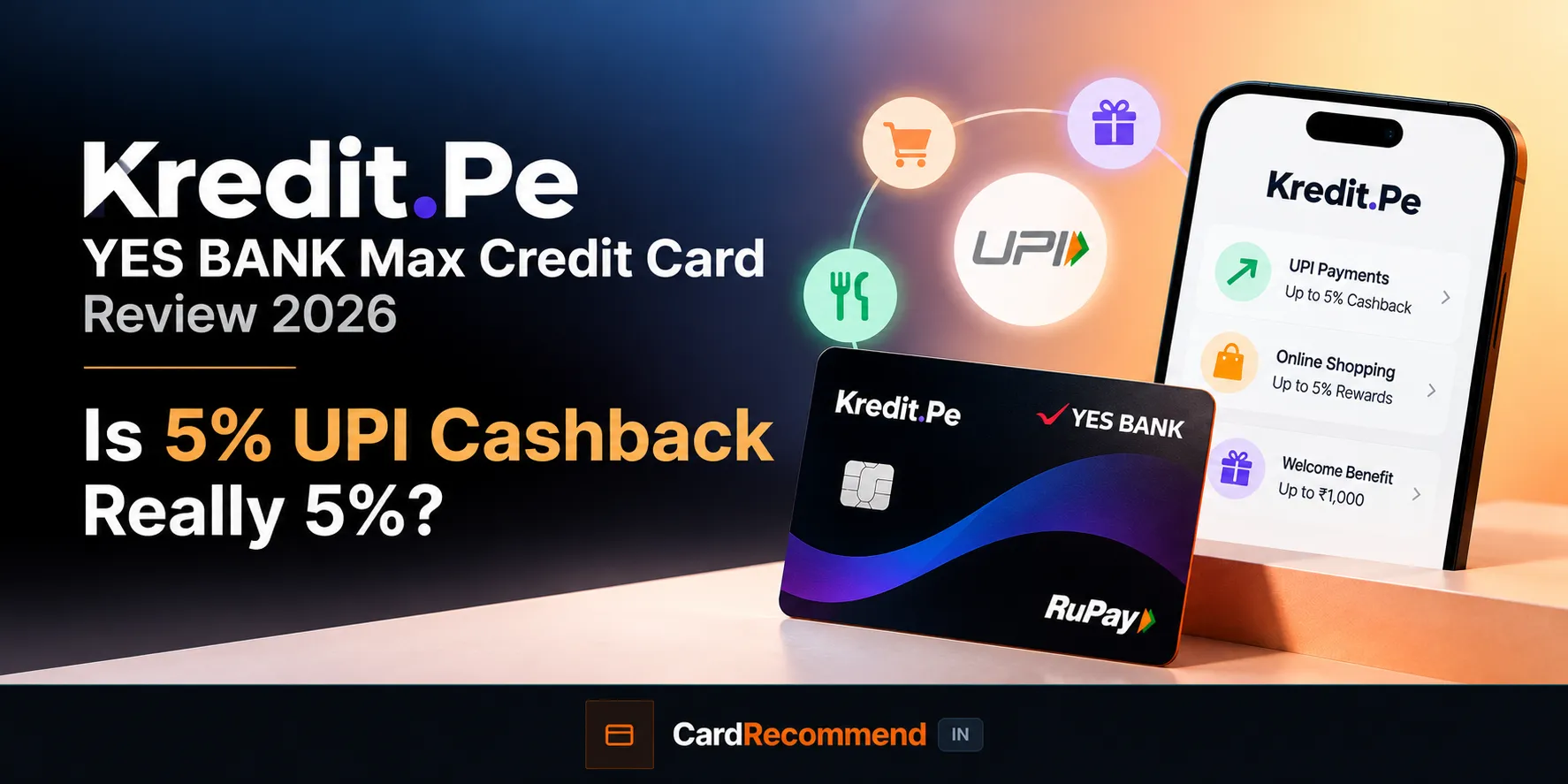
Executive Summary
A lifetime-free RuPay credit card offering 3% on UPI, 5% after a spending milestone and 5% on eligible online purchases sounds almost too good for the Indian market. We test whether Kredit.Pe Max's 5% UPI cashback is really 5% statement cash.
Cards Compared
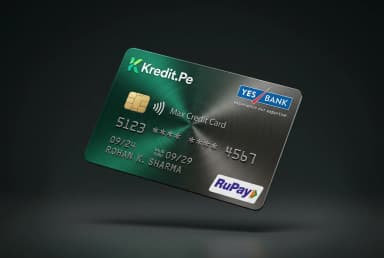
Kredit.Pe Max Credit Card
Everyday merchant UPI payments, online shopping, and digital gold savings.
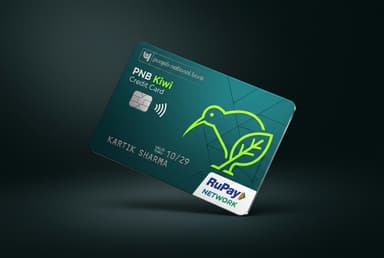
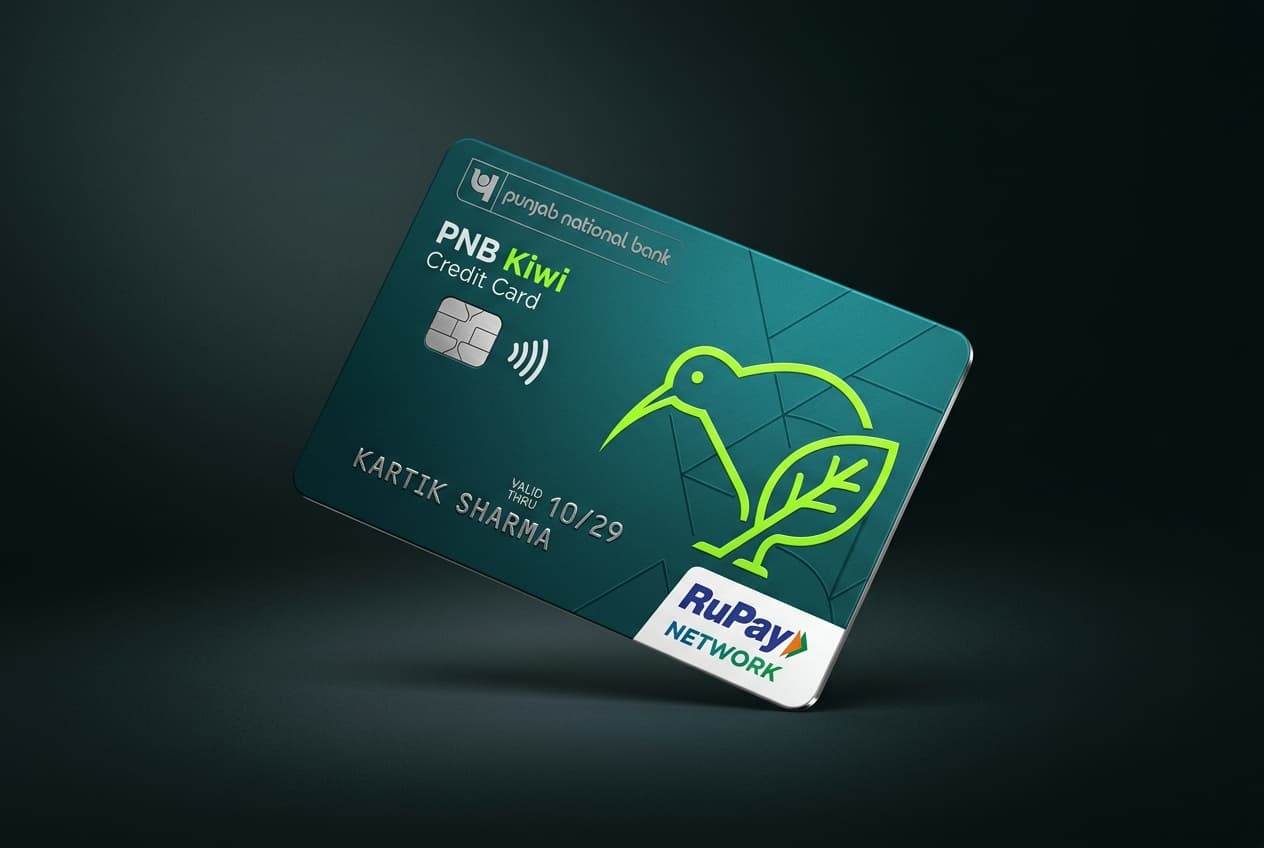
PNB Kiwi Credit Card
Daily digital spenders, mobile UPI QR payments, and consumers looking for a lifetime free RuPay credit card with direct cashback conversion.
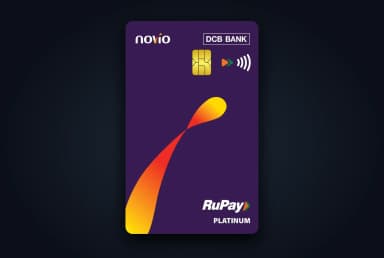
DCB novio Go Credit Card
Credit building, new-to-credit customers, and daily UPI payments via novio app with zero annual fees.
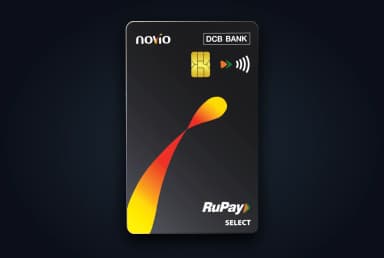
DCB novio Prime Credit Card
Secured cardholders seeking complimentary domestic airport lounge access alongside daily UPI rewards.
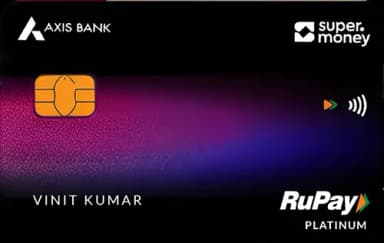
Axis Bank SuperMoney RuPay Credit Card
UPI-first spenders who want a zero-fee credit card for everyday QR code payments at kirana stores, local shops, and online merchants with automatic cashback.
In This Guide
A lifetime-free RuPay credit card offering 3% on UPI, 5% after a spending milestone and 5% on eligible online purchases sounds almost too good for the Indian market.
That's essentially the pitch behind the new Kredit.Pe Max Credit Card issued by YES BANK.
YES BANK currently lists the Max Credit Card with ₹0 joining fee, ₹0 renewal fee, 5% rewards on eligible POS/online transactions and a 3.5% foreign-currency markup. Kredit.Pe adds its own UPI proposition: 3% cashback at the lower tier and 5% once monthly UPI spending crosses the relevant milestone.
There is just one problem.
Kredit.Pe's current homepage says the 5% UPI tier begins above ₹20,000 a month.
Its separate /cards page still says above ₹25,000.
And even after you earn the advertised “cashback”, it isn't the same thing as getting 5% automatically knocked off your YES BANK credit-card statement.
Kredit.Pe cashback is primarily used inside Kredit.Pe for vouchers, gold, flight discounts and other redemption options.
So the real question isn't whether Kredit.Pe can display a 5% reward number.
It's this:
If you spend ₹20,000–₹30,000 through UPI every month, how much value can you actually use?
Kredit.Pe Max Credit Card: The Important Numbers
| Feature | Current position |
|---|---|
| Issuer | YES BANK |
| Network | RuPay |
| Joining fee | ₹0 |
| Renewal/annual fee | ₹0 |
| UPI rewards | 3% base; 5% above milestone |
| Current milestone | Source conflict: ₹20,000 vs ₹25,000 |
| Eligible online/POS rewards | 5% |
| Gold & silver on Kredit.Pe | Advertised 5% cashback |
| Welcome benefit | Advertised ₹1,000 cashback |
| Cashback expiry | One year from end of quarter earned |
| Forex markup | 3.5% |
| Lounge access | None publicly advertised |
| FD required | No |
| Card type | Unsecured, subject to YES BANK underwriting |
| UPI | RuPay merchant payments |
YES BANK itself confirms Max as a zero-joining-fee, zero-renewal-fee product and lists it in its Virtual RuPay Cards portfolio.
That distinction matters because Kredit.Pe still has old pages online for the YES BANK ACE product and its older SBM Bank FD-backed Kredit.Pe card. Those terms should not be copied into Max.
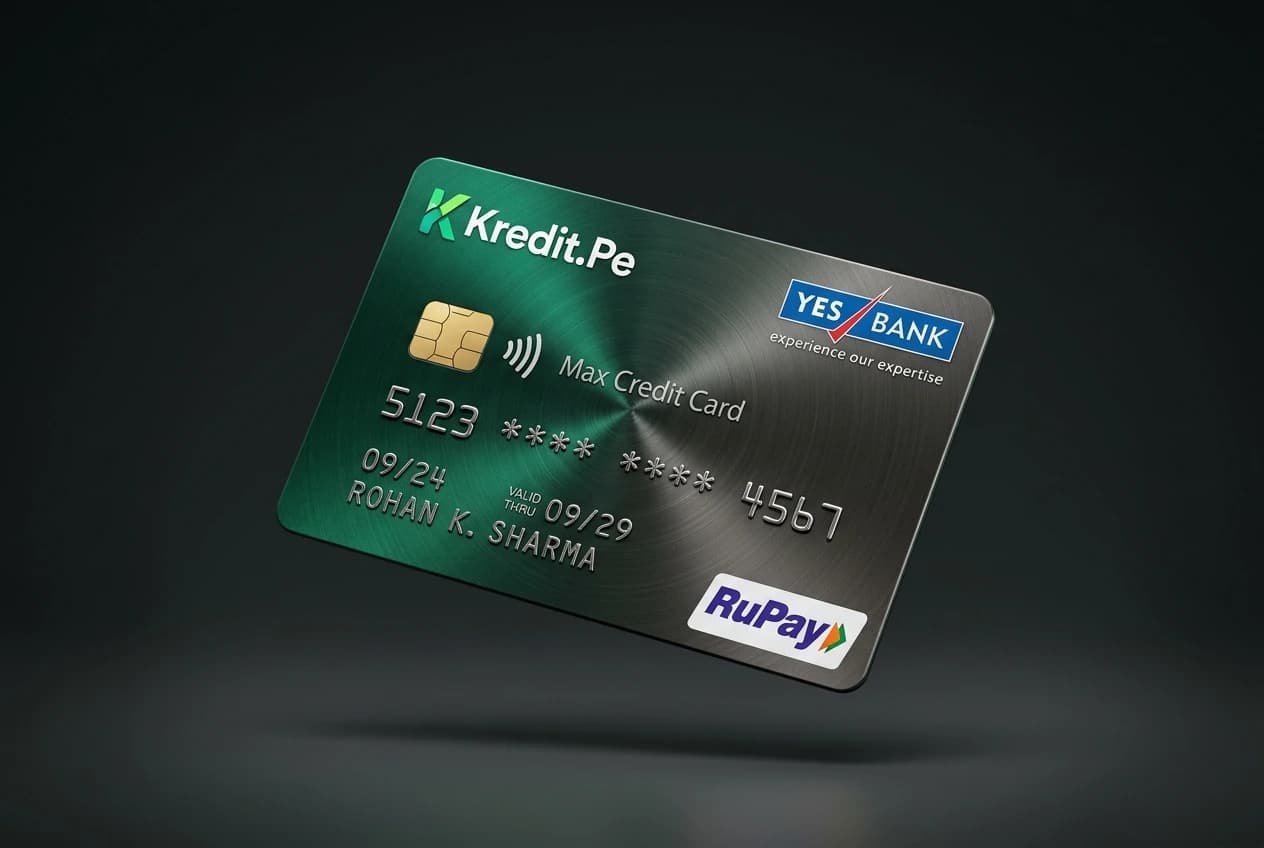
Kredit.Pe YES BANK Max Credit Card
Zero joining fee, zero renewal fee, 3% base UPI cashback scaling to 5% above the monthly milestone, and 5% on eligible online shopping.
First: What Exactly Is Kredit.Pe Max?
The Kredit.Pe Max Credit Card is a current YES BANK RuPay credit card distributed through the Kredit.Pe ecosystem.
It is not the old SBM Kredit.Pe FD-backed card.
There is no ₹2,000 FD requirement, no 90%-of-FD credit limit and no reason to classify Max as a secured card.
It is also distinct from the older Kredit.Pe-linked YES BANK ACE proposition that still appears on legacy Kredit.Pe URLs.
YES BANK now lists YES BANK Max Credit Card as a separate current product.
We also found no current public issuer notice establishing that every existing ACE cardholder is automatically migrated to Max.
If you already hold an older Kredit.Pe/ACE product, don't assume the new Max reward structure automatically applies to your existing card.
Is Kredit.Pe Max Really Lifetime Free?
Yes.
YES BANK currently lists:
Joining fee: ₹0
Renewal fee: ₹0
There is no published annual-spend condition required to preserve that zero annual fee.
That makes “lifetime free” a fair description of the membership fee.
It doesn't make the entire card free to use.
YES BANK credit cards can still attract finance charges if you revolve an outstanding balance, late-payment charges, applicable transaction fees and GST. The bank's published credit-card documentation uses finance charges of 3.99% per month in its revolving-credit illustration.
Max also carries a 3.5% foreign-currency markup, so despite the RuPay network, we wouldn't consider this a travel card.
The Important Part: How Does 3% Become 5% on UPI?
Kredit.Pe's current homepage says:
- 3% cashback on UPI spending up to ₹20,000 per month;
- 5% cashback on UPI spending above ₹20,000 per month.
That wording matters.
It does not say:
Spend ₹20,001 and all ₹20,001 gets retrospectively repriced at 5%.
The more natural reading is a tiered structure:
first ₹20,000 → 3%
amount above ₹20,000 → 5%
Kredit.Pe's public Max material does not currently spell out a retroactive recalculation mechanism, so CardRecommend would not assume one.
There is another complication: Kredit.Pe's /cards page still says the same transition occurs at ₹25,000, not ₹20,000.
For the calculations below, we're using the ₹20,000 figure shown on Kredit.Pe's current Max homepage, because that page specifically features the new Max card.
But Kredit.Pe needs to fix this documentation conflict.
What Happens at ₹19,999, ₹20,000 and ₹20,001?
Assuming the current ₹20,000 threshold and a marginal tier structure:
| Monthly eligible UPI spend | Nominal Kredit.Pe cashback | Effective advertised rate |
|---|---|---|
| ₹5,000 | ₹150 | 3.00% |
| ₹10,000 | ₹300 | 3.00% |
| ₹19,999 | ~₹600 | 3.00% |
| ₹20,000 | ₹600 | 3.00% |
| ₹20,001 | ₹600.05 | 3.00% |
| ₹25,000 | ₹850 | 3.40% |
| ₹30,000 | ₹1,100 | 3.67% |
| ₹40,000 | ₹1,600 | 4.00% |
This is the most useful way to understand the headline.
A ₹20,000/month UPI user isn't earning 5%.
They're still at roughly 3%.
Even at ₹30,000 per month, the blended nominal earning is around 3.67%, assuming every rupee qualifies.
You only move progressively closer to a 5% blended rate as more of your monthly spending sits above the threshold.
That's very different from a flat 5% UPI card.
But Is That ₹1,100 on ₹30,000 Actually ₹1,100 Cash?
This is the bigger catch.
Kredit.Pe uses the word cashback, but its own redemption material shows that the balance primarily lives inside the Kredit.Pe ecosystem.
Current options include using cashback to get discounts on:
- digital gold and silver;
- Amazon, Flipkart, Swiggy, Zomato, Uber and other vouchers;
- flight vouchers;
- bills and recharges.
Kredit.Pe also says users can convert a portion of their cashback balance into digital gold each month. Its current homepage says 15% of the balance can be converted, while the live Google Play description adds a current ceiling of up to ₹500 per month for that Gold Rush conversion.
This means we would not describe Kredit.Pe Max as:
“5% direct cash back to your bank account.”
And we wouldn't call it:
“5% statement cashback.”
The more accurate description is:
Up to 5% Kredit.Pe cashback balance, redeemable through the Kredit.Pe ecosystem.
That is still potentially valuable.
It just isn't as liquid as ₹500 appearing directly against your card bill.
What Is One KP Coin Worth?
The current Max marketing has largely moved away from presenting the reward as a separate “KP Coin” currency and instead calls it Kredit.Pe cashback.
That's an important distinction from some older descriptions of the programme.
We could not establish a current universal rule saying:
1 KP Coin = ₹1 cash
or even a permanent facility allowing the entire earned balance to be transferred to a bank account or YES BANK card statement.
Instead, the current programme uses the balance to unlock discounts and selected redemptions.
The cashback policy also says the balance expires one year after the end of the quarter in which it was earned.
So for CardRecommend's valuation model, we should not assign a guaranteed 1:1 cash value to every rupee displayed as Kredit.Pe cashback unless the specific redemption being modelled supports that value.
The Redemption Options Are Better Than novio — But Worse Than Direct Cash
This is where Kredit.Pe lands somewhere between two very different reward systems.
DCB novio can show extremely high Coin earning percentages, but novio Coins do not have a simple permanent rupee conversion.
Axis super.money, by contrast, credits qualifying cashback to the credit-card account.
Kredit.Pe is in the middle.
Its reward balance has useful ways to extract value — particularly vouchers and digital gold — but you need to use the ecosystem.
For someone who already buys Amazon, Flipkart, Swiggy or Zomato vouchers and occasionally buys digital gold, that isn't a huge sacrifice.
For someone who wants:
“Spend ₹10,000 → get ₹300 back into my card/bank account”
it is less attractive.
Does Kredit.Pe Really Give 5% on Online Spending?
YES BANK's own card catalogue says Max earns 5% rewards on eligible POS/online transactions. Kredit.Pe likewise advertises 5% cashback on online spending.
That is a substantial benefit for a lifetime-free card.
But the word eligible matters.
Current compiled issuer documentation identifies exclusions including categories such as rent/real estate, wallet loading, government transactions, education, utilities, insurance, fuel, financial transactions and some other MCCs.
CardRecommend should therefore not display:
“5% on everything online.”
The safer wording is:
“5% on eligible online/POS spending.”
The same redemption restriction applies: the 5% is Kredit.Pe reward/cashback value, not confirmed automatic statement credit.
Is There a Monthly Cashback Cap?
This is an area where old Kredit.Pe terms are dangerous.
The legacy SBM Kredit.Pe card had an explicit ₹500 monthly milestone-cashback cap.
That does not mean Kredit.Pe Max has the same cap.
We could not verify a current Max-specific public document stating that the old ₹500 cap carries over.
Similarly, we could not find a current first-party Max document explicitly guaranteeing that UPI and online rewards are completely uncapped.
So the correct CardRecommend database value at the moment is:
Max-specific reward cap: not publicly established / needs confirmation.
Not:
₹500
and not:
Unlimited
until Kredit.Pe or YES BANK publishes the exact Max reward terms.
What About the ₹1,000 Welcome Bonus?
Kredit.Pe's current Max homepage advertises a ₹1,000 cashback welcome bonus.
What we could not verify from the current public Max page is:
- the minimum qualifying spend;
- number of transactions required;
- exact activation condition;
- qualifying time window.
So ₹1,000 is a genuine advertised benefit, but CardRecommend should not invent conditions such as:
“₹1,000 automatically on activation and first spend”
unless those terms are present in the customer's application flow or a current Max-specific offer document.
We wouldn't include the welcome bonus in annual reward calculations until the qualification rule is verified.
Can You Use Kredit.Pe Max for Normal UPI Payments?
Yes — for eligible merchant payments.
Kredit.Pe says the card can be used to scan merchant QR codes and make online UPI purchases.
Because Max is a RuPay credit card, the usual credit-card-on-UPI rules apply.
That means merchant payments are supported, but a RuPay credit card cannot be used like a savings account to send money to a friend through a normal P2P transfer. Current RuPay credit-card UPI guidance limits credit-funded UPI to eligible merchant payments.
So:
Kirana QR → potentially yes
Restaurant QR → potentially yes
Online merchant UPI → potentially yes
Send ₹2,000 to a friend's personal UPI ID → no from the credit line
And earning Kredit.Pe's accelerated UPI rewards is tied to the Kredit.Pe UPI ecosystem. Don't assume linking Max to Google Pay or PhonePe will automatically preserve the same 3%/5% Kredit.Pe reward structure.
How Does ₹10,000 of UPI Spending Compare?
Let's compare the nominal reward outcome with two much simpler UPI alternatives.
₹10,000/month eligible merchant UPI
Kredit.Pe Max
3% = ₹300 Kredit.Pe cashback balance
3% = ₹300 direct card cashback
1.5% = ₹150 cashback
Axis super.money's cashback is capped at ₹500 per statement cycle, but at ₹10,000 spend the cap isn't relevant. Axis confirms 3% on qualifying Scan & Pay transactions through super.money, with total cashback capped at ₹500 per statement.
Kiwi offers 1.5% on eligible Scan & Pay transactions for cards issued through Kiwi, subject to its own monthly cap rules.
At ₹10,000, Axis super.money is the cleaner proposition.
Both show ₹300, but Axis gives you normal cashback rather than requiring Kredit.Pe redemption.
What Happens at ₹20,000?
Assuming ₹20,000 is the correct Kredit.Pe threshold:
Kredit.Pe Max: ₹600 nominal cashback balance
Axis super.money: ₹500 maximum statement cashback
Kiwi: ₹300 at the standard 1.5% Scan & Pay rate
Here Kredit.Pe starts to look stronger mathematically.
But the comparison isn't exactly:
₹600 vs ₹500.
It's:
₹600 of Kredit.Pe ecosystem value
versus
₹500 of card-account cashback.
For someone who can efficiently use Kredit.Pe vouchers or digital-gold redemptions, Max can win.
For someone who values cash simplicity, the ₹100 nominal advantage may not be enough reason to choose the more restrictive reward ecosystem.
And at ₹30,000?
Using the current ₹20,000 tier assumption:
First ₹20,000 × 3% = ₹600
Next ₹10,000 × 5% = ₹500
Total nominal Kredit.Pe cashback = ₹1,100
That is a 3.67% blended advertised return.
Axis super.money remains capped at ₹500 per statement cycle.
Kiwi standard Scan & Pay would produce approximately ₹450, assuming its separate credit-limit-based reward cap doesn't intervene.
At this spending level, Kredit.Pe Max becomes much harder to ignore.
A user who can extract close to face value from Kredit.Pe's vouchers/gold ecosystem could receive materially more usable value than the simpler alternatives.
But that's exactly why the redemption question matters so much.
Apply for Kredit.Pe Max Credit Card
Earn up to 3.67% blended returns on ₹30,000 monthly merchant UPI spends with zero joining or annual fees.
Kredit.Pe Max vs Axis super.money vs Kiwi
| Card | UPI proposition | Reward type | Key cap/condition | Annual fee | Redemption friction | Action |
|---|---|---|---|---|---|---|
| 3%, then 5% above milestone | Kredit.Pe cashback balance | Threshold currently conflicts at ₹20k/₹25k; Max cap not clearly published | ₹0 | Medium | ||
| 3% Scan & Pay | Direct card cashback | ₹500/statement cycle | ₹0 | Very low | ||
| 1.5% Scan & Pay | Cashback/Kiwis with defined value | Monthly Kiwi cap linked to card limit | ₹0 | Low | ||
| DCB novio | Up to 10% Coins through novio UPI | novio Coins | Daily cap + no universal fixed ₹ value | ₹0 | High | Compare → |
Kiwi's regular programme explicitly states a 1.5% Scan & Pay rate, while its optional Neon programme increases instant Scan & Pay earning to 2% and adds annual milestones.
The lesson is simple:
The biggest percentage isn't automatically the best reward.
Is Kredit.Pe Max Better Than Axis super.money?
For lower monthly UPI spending, we'd pick Axis super.money.
At ₹10,000:
Axis = ₹300 straightforward cashback.
Kredit.Pe = ₹300 nominal reward balance with more redemption friction.
Why complicate it?
Once spending gets past roughly ₹20,000 a month, Kredit.Pe's nominal earning begins to pull ahead because Axis stops at ₹500 per statement cycle.
At ₹30,000, the gap becomes significant:
Kredit.Pe nominal balance: ₹1,100
Axis cashback: ₹500
If Kredit.Pe users can consistently redeem that ₹1,100 at close to face value on things they would have bought anyway, Max wins the value equation.
That's a meaningful if.
Is It Better Than Kiwi?
Kiwi is much easier to understand.
Its current free tier gives 1.5% Scan & Pay cashback, while eligible Neon members get 2% instantly and can reach larger annual milestone rates. Kiwi also explicitly defines its reward value and positions regular cashback as real cashback.
Kredit.Pe has substantially higher nominal earning potential.
At ₹20,000 monthly eligible UPI spend:
Kiwi free tier: roughly ₹300
Kredit.Pe: nominal ₹600
At ₹30,000:
Kiwi: roughly ₹450
Kredit.Pe: nominal ₹1,100
So a high UPI spender willing to work within Kredit.Pe's ecosystem has more upside with Max.
A user who wants zero thought and predictable liquid value may still prefer Kiwi.
Is It Better Than DCB novio?
For reward transparency, yes.
DCB novio can advertise up to 10% Coins when combining the card-side and novio-UPI earning, but novio Coins do not have a permanent universal cash value.
Kredit.Pe's cashback is also restricted, but it has clearer practical redemption routes through brand vouchers, flights and digital gold.
So between these two reward ecosystems, we currently find Kredit.Pe easier to value and use.
Neither should be described as equivalent to receiving the advertised percentage as statement cashback.
Is the ₹20,000 Milestone Actually Attractive?
Yes — but the wrong way to describe it is:
“Spend ₹20,000 and earn 5%.”
Based on the current public wording, ₹20,000 itself earns about 3% nominal Kredit.Pe cashback.
The 5% tier matters for the spending above the milestone.
At ₹25,000, our model produces about ₹850, or 3.4%.
At ₹30,000, about ₹1,100, or 3.67%.
At ₹40,000, about ₹1,600, or 4%.
For a heavy eligible UPI spender, those are unusually strong numbers for a lifetime-free card.
For someone spending ₹5,000–₹10,000 a month, it isn't dramatically better than simpler 3% or cashback-oriented alternatives.
Should You Use It for International Spending?
No, unless convenience matters more than cost.
YES BANK lists a 3.5% foreign-currency markup on Max. Add GST on the markup and it becomes a poor choice compared with the growing number of zero-forex or low-forex cards.
We also found no reason to assume international purchases receive enough additional reward to neutralise that cost.
Kredit.Pe Max is a UPI + online-shopping card, not a travel card.
Eligibility: What Can We Actually Verify?
The public Max pages do not currently provide a clean Max-specific minimum income or minimum CIBIL requirement.
Approval is ultimately controlled by YES BANK's underwriting and KYC process.
That means CardRecommend should avoid turning generic YES BANK eligibility information into an “official Kredit.Pe Max minimum income” or “minimum CIBIL score”.
If we store an estimated credit-score or income threshold internally, it should be marked estimated/inferred, not issuer-verified.
The same applies to Max-specific physical-card availability: YES BANK currently categorises Max within its Virtual RuPay Cards section, but we didn't find a current Max-specific public term clearly promising a physical card.
The Biggest Catch Is Actually Documentation
Normally the biggest catch in a credit card is a reward cap, annual fee or obscure exclusion.
Here, one of the biggest current problems is that a newly launched product already has conflicting first-party information.
Kredit.Pe homepage:
3% up to ₹20,000 → 5% above ₹20,000
Kredit.Pe /cards page:
3% up to ₹25,000 → 5% above ₹25,000
That is not a minor typo.
At ₹25,000 monthly UPI spending, the difference changes how much reward a user expects.
Until Kredit.Pe reconciles those pages or publishes a Max-specific reward T&C, CardRecommend should show the discrepancy rather than pretending one number is unquestionably settled.
View Kredit.Pe Max Card Details
Lifetime-free RuPay credit card offering 3% base UPI rewards, 5% milestone tier, and 5% on eligible online shopping.
Apply for Kredit.Pe Max
Earn up to 3.67% blended returns on ₹30,000 monthly merchant UPI spends with zero joining or annual fees.
Apply Now — Kredit.Pe Max
Zero joining fee, zero annual renewal fee, and up to 5% cashback on merchant UPI and online spending.
CardRecommend Verdict
Kredit.Pe Max is one of the most interesting new UPI cards of 2026 — but we are not ready to call it a flat 5% cashback card.
The positives are unusually strong.
It's genuinely lifetime free. YES BANK confirms ₹0 joining and renewal fees. The card is RuPay, so it works naturally for merchant credit-card UPI. Eligible online/POS spending earns an advertised 5%, and the current Kredit.Pe Max homepage promises 3% on UPI before the milestone and 5% above it.
At heavy UPI spending levels, the nominal maths becomes excellent.
A ₹30,000 monthly eligible UPI user could earn around ₹1,100 of Kredit.Pe cashback balance under the current ₹20,000 tier interpretation — a 3.67% blended nominal return.
That's far above Axis super.money's ₹500 monthly ceiling and considerably more than Kiwi's free 1.5% Scan & Pay rate.
But two things stop us from awarding Kredit.Pe Max an uncomplicated “Best UPI Credit Cards in India” title today.
First, Kredit.Pe's own pages disagree on whether the milestone is ₹20,000 or ₹25,000.
Second, this isn't ordinary statement cashback. The value lives primarily inside Kredit.Pe and is redeemed through vouchers, gold, flight discounts and related options. Only part of the balance can currently be converted through the monthly digital-gold mechanism.
Who should get it?
A user spending ₹20,000–₹30,000+ a month on eligible merchant UPI, who also buys online regularly and is comfortable using Kredit.Pe vouchers or digital gold.
For that profile, Max could be exceptionally rewarding.
Who should skip it?
Someone spending ₹5,000–₹10,000 monthly on UPI who simply wants automatic cash with no redemption decisions.
Axis super.money or Kiwi is easier to understand.
We would also skip Max for international travel because the 3.5% forex markup removes much of its appeal abroad.
Is 5% UPI cashback really 5%?
Not across your entire monthly spend at the ₹20,000 threshold.
Under the most defensible interpretation of the current terms, the first ₹20,000 earns 3% and only the eligible spend above that earns 5%.
And even then, it is Kredit.Pe cashback value, not guaranteed direct statement cash.
Final position
Kredit.Pe Max deserves to be near the top of CardRecommend's UPI shortlist, but not because “5%” is bigger than everyone else's number.
Its real strength appears at high eligible monthly spend.
Before we call it the outright #1 UPI card, Kredit.Pe needs to publish a clean Max-specific rewards document that resolves the ₹20,000/₹25,000 conflict, confirms the reward cap and makes the redemption economics completely explicit.
Until then:
High-spend UPI optimiser: Strong Buy
Low-spend user wanting simple cash: Axis super.money/Kiwi may be better
International traveller: Look elsewhere
Ready to Apply for Kredit.Pe YES BANK Max?
Zero joining fee, zero annual renewal fee, RuPay merchant UPI support, and up to 5% cashback on everyday transactions.
Cards Discussed in This Review
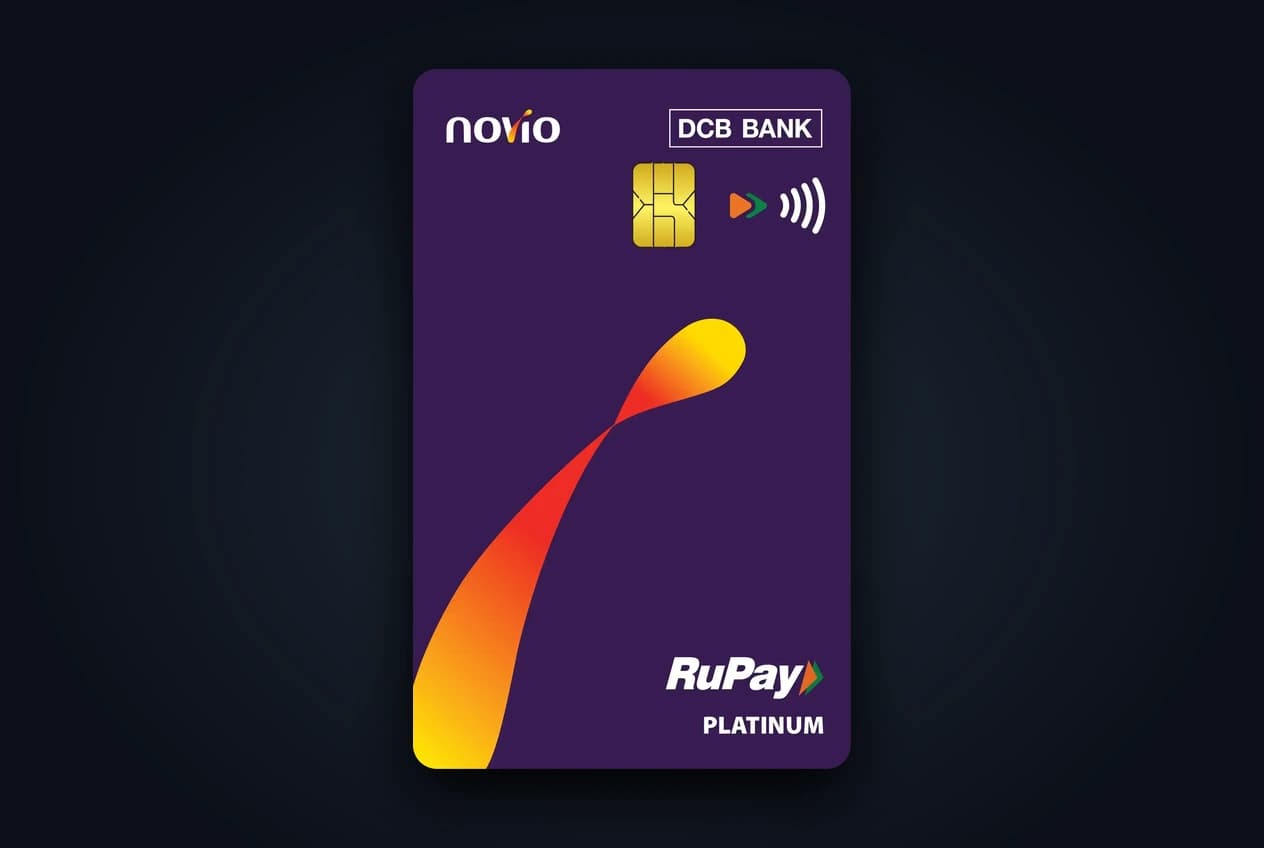
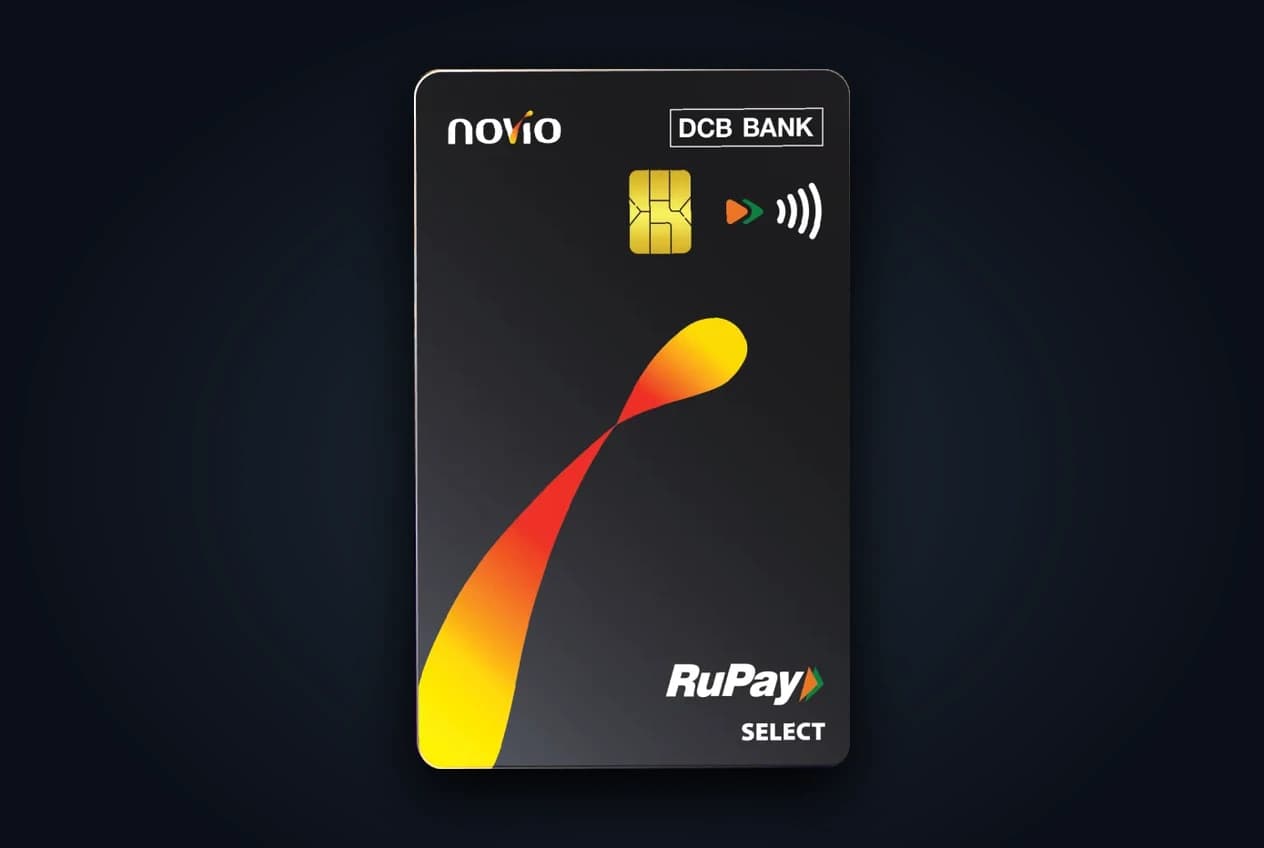
DCB novio Prime Credit Card
Frequently Asked Questions
What is the Kredit.Pe YES BANK Max Credit Card?
The Kredit.Pe Max Credit Card is an unsecured co-branded RuPay credit card issued by YES BANK in partnership with Kredit.Pe. It features zero joining and renewal fees (Lifetime Free) and delivers up to 5% cashback on merchant UPI transactions and eligible online purchases.
Is the Kredit.Pe Max Credit Card really lifetime free?
Yes. YES BANK's published Virtual RuPay Cards portfolio confirms ₹0 joining fee and ₹0 renewal fee with no annual spend waiver conditions. However, standard financial charges, late payment fees, and a 3.5% foreign-currency markup apply to relevant transactions.
How does the 3% to 5% UPI cashback structure work on Kredit.Pe Max?
Under the current tiered structure, eligible merchant UPI transactions earn 3% cashback up to the monthly milestone threshold, and 5% marginal cashback on spending above that threshold within the calendar month. It is a marginal tier, not a retroactive repricing of the entire month's spend.
What is the monthly UPI spend milestone to reach 5% cashback?
There is currently an official source discrepancy between Kredit.Pe's own pages: the current homepage FAQ states the 5% tier starts above ₹20,000/month, whereas the separate /cards product page cites ₹25,000/month. Until reconciled, CardRecommend documents this discrepancy as an active source conflict.
Is Kredit.Pe cashback credited directly to my credit card statement or bank account?
No. Kredit.Pe cashback lives inside the closed-loop Kredit.Pe application ecosystem. It can be redeemed for popular brand gift vouchers (Amazon, Flipkart, Swiggy, Zomato, Uber), flight voucher discounts, or digital gold. It is not automatic statement cashback knocked off your YES BANK bill.
Can I convert Kredit.Pe cashback into digital gold or real cash?
Users can convert a portion of their cashback balance (advertised up to 15%, subject to an in-app ceiling of up to ₹500 per month under Google Play app disclosures) into 24K digital gold. The remaining balance must be used for brand vouchers or flight discounts within the ecosystem.
Does Kredit.Pe Max earn 5% on all online spending?
YES BANK lists 5% on eligible POS/online transactions. However, standard industry exclusions apply, including rent, wallet loads, fuel, utilities, insurance, government payments, and education. The 5% is earned as Kredit.Pe cashback value rather than direct statement credit.
Is there a monthly cashback cap on the Kredit.Pe Max Credit Card?
A Max-specific reward cap is not currently published in official issuer documentation. The ₹500 monthly milestone cap belonged to the predecessor SBM FD-backed card and cannot be assumed for Max. Similarly, uncapped rewards have not been guaranteed in writing.
Can I use Kredit.Pe Max for personal UPI transfers to friends (P2P)?
No. Under NPCI regulations, RuPay credit cards linked to UPI can only be used for merchant (P2M) payments by scanning merchant QR codes or paying on merchant apps. Peer-to-peer (P2P) transfers to friends or family from the credit line are not supported.
Does the Kredit.Pe Max Credit Card offer complimentary airport lounge access?
No. Neither YES BANK nor Kredit.Pe advertises complimentary domestic or international airport lounge visits for the Max Credit Card.
What is the foreign currency markup on Kredit.Pe Max?
YES BANK lists a standard 3.50% foreign currency markup on the Max Credit Card, plus applicable GST. This makes the card unsuited for overseas travel or foreign currency purchases.
How does Kredit.Pe Max compare to Axis super.money and Kiwi RuPay?
For monthly UPI spends under ₹20,000, Axis super.money is cleaner, delivering 3% direct card-account cashback (capped at ₹500/statement cycle). For monthly UPI spends of ₹20,000–₹30,000+, Kredit.Pe Max delivers higher nominal value (e.g. ₹1,100 vs ₹500 at ₹30K), provided the cardholder can effectively utilize Kredit.Pe vouchers or digital gold redemptions.

Founder & Editor, CardRecommend
Founder & Editor of CardRecommend. Dedicated to researching credit card reward structures, fee waivers, airport lounge policies, and calculating real user value across Indian financial products.