Executive Summary
Axis Bank's revised SuperMoney RuPay card offers 3% UPI cashback, but how much you receive is now capped by cashback from other eligible spending. Here is what ₹5,000–₹30,000 monthly spenders actually earn.
Cards Compared
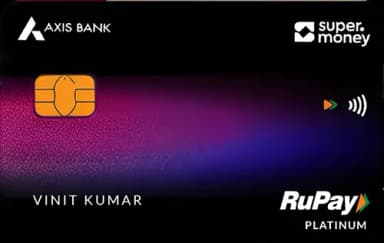
Axis Bank SuperMoney RuPay Credit Card
UPI-first spenders who want a zero-fee credit card for everyday QR code payments at kirana stores, local shops, and online merchants with automatic cashback.
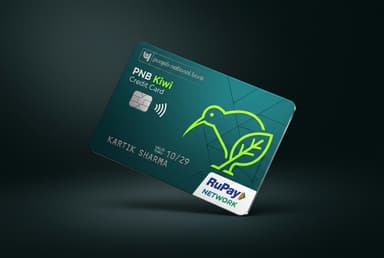
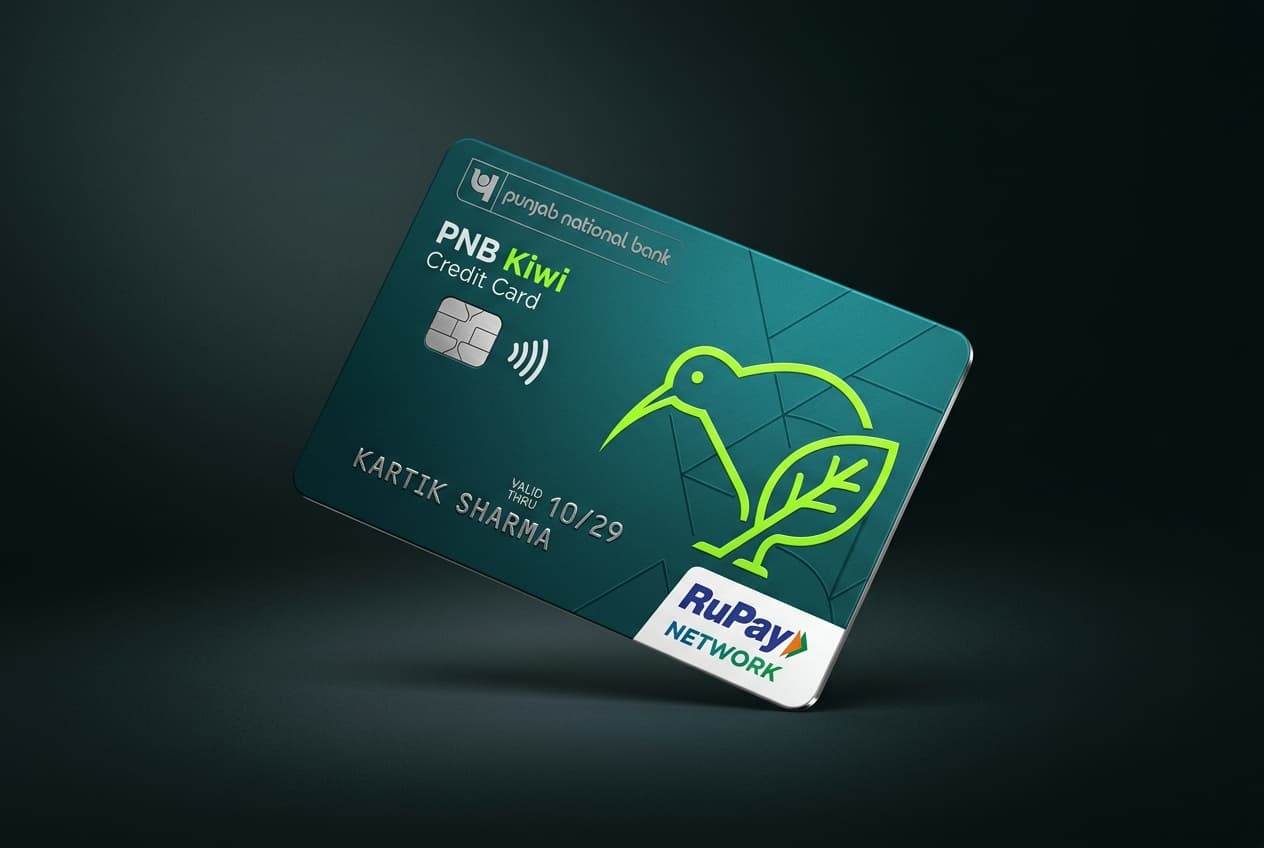
PNB Kiwi Credit Card
Daily digital spenders, mobile UPI QR payments, and consumers looking for a lifetime free RuPay credit card with direct cashback conversion.
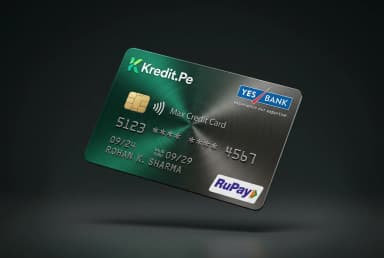
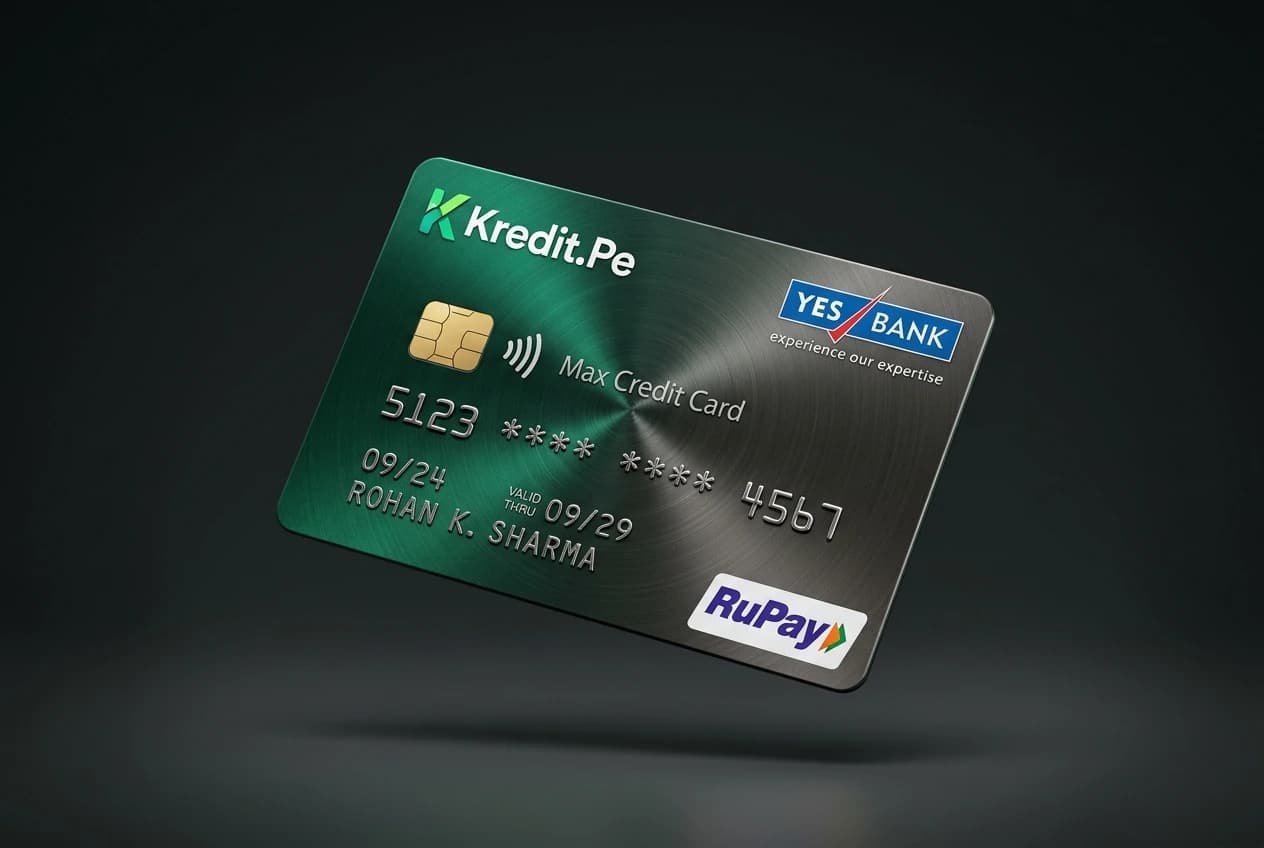
Kredit.Pe Max Credit Card
Everyday merchant UPI payments, online shopping, and digital gold savings.
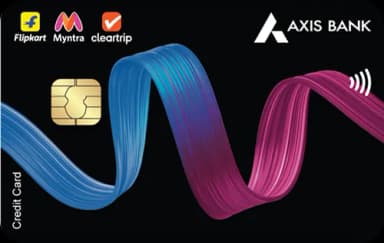
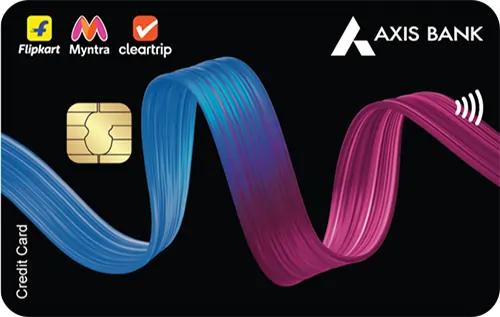
Flipkart Axis Bank Credit Card
Flipkart Ecosystem Shoppers & Regular Swiggy/Uber Users
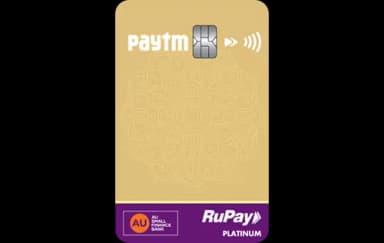
Paytm AU Credit Card
Paytm UPI spends, Paytm Travel flight bookings, and Paytm Gold
In This Guide
\ ₹20,000 spent on UPI with no other eligible card spending. Advertised cashback: ₹600. Actual cashback: just ₹100.
That's what can happen with the Axis Bank SuperMoney RuPay Credit Card under its revised 2026 rewards programme.
Axis Bank still advertises 3% cashback on eligible UPI merchant payments through the super.money app and 1% on other eligible transactions. The card is genuinely lifetime free, and cashback is credited directly to your credit-card account rather than converted into reward points.
But since 1 January 2026, the 3% reward has come with an unusual restriction: how much of it you receive depends on cashback earned from other eligible spending during the same statement cycle.
The old ₹500 overall cashback cap has disappeared. In its place is a matching rule that can be considerably worse for someone who uses this card only for UPI.
For a ₹10,000–₹20,000 monthly UPI spender, that single change determines whether Axis SuperMoney is worth keeping.
Axis SuperMoney Credit Card: Key Details
| Feature | Current terms |
|---|---|
| Issuing bank | Axis Bank |
| Co-brand partner | super.money (Scapic Innovations) |
| Network | RuPay |
| Joining fee | ₹0 |
| Annual/renewal fee | ₹0 |
| Advertised UPI cashback | 3% through super.money |
| Other eligible spending | 1% cashback |
| 3% cashback restriction | Linked to cashback from other eligible spending |
| Special allowance | Up to ₹100 accelerated cashback when other cashback is below ₹100 |
| Old ₹500 overall cap | Removed from January 2026 |
| Minimum transaction | ₹100 to qualify for cashback |
| Cashback redemption | Direct credit to credit-card account |
| Finance charge | 3.75% per month (52.86% per annum) |
| Forex markup | 3.5% |
| Airport lounge access | No complimentary access advertised |
The card's basic proposition remains attractive: zero annual fees, RuPay UPI support and genuine cashback without a separate loyalty currency.
But the earning formula needs a much closer look.
How the 3% UPI Cashback Actually Works in 2026
Axis SuperMoney now has two cashback categories.
Category 1: Payments through super.money
Eligible UPI merchant QR payments made using the Axis SuperMoney RuPay Credit Card through the super.money app earn a nominal 3%.
Category 2: Other eligible spending
Purchases using the same card outside super.money earn 1%. This includes eligible online/offline card transactions and eligible RuPay credit-card UPI payments through other supported apps.
The crucial condition is that 3% cashback from Category 1 is capped by cashback earned from Category 2.
There is one exception.
When Category 2 cashback is below ₹100, the bank allows Category 1 cashback up to ₹100 even if Category 2 earned nothing.
This is confirmed in Axis Bank's current cashback terms.
Example: ₹10,000 UPI, no other card spending
Suppose you spend ₹10,000 entirely through super.money.
- Nominal cashback: ₹10,000 × 3% = ₹300
- Other eligible spending: ₹0
- Cashback from other spending: ₹0
Because the matching cashback is below ₹100, the special allowance applies.
Actual cashback credited: ₹100, not ₹300.
Your effective return is just 1%.
Example: ₹10,000 UPI + ₹5,000 other spending
- UPI cashback before restriction: ₹10,000 × 3% = ₹300
- Other spending cashback: ₹5,000 × 1% = ₹50
Because the other category earns less than ₹100, UPI cashback is capped at ₹100.
Total cashback: ₹100 + ₹50 = ₹150
You've spent ₹15,000 altogether and earned ₹150.
Effective return: 1%.
That is very different from simply receiving 3% on UPI and 1% on everything else.
The Six Spending Scenarios: What You Actually Earn
We tested six monthly spending combinations using the official revised Axis Bank formula.
The calculations assume all purchases are eligible, individual transactions meet the ₹100 minimum, transaction-level rounding does not reduce the totals and no adjustments from earlier statement cycles apply.
| Scenario | super.money UPI | Other eligible spend | Nominal cashback before cap | Cashback actually credited | Effective return | Annualised cashback* |
|---|---|---|---|---|---|---|
| A | ₹5,000 | ₹0 | ₹150 | ₹100 | 2.00% | ₹1,200 |
| B | ₹10,000 | ₹0 | ₹300 | ₹100 | 1.00% | ₹1,200 |
| C | ₹10,000 | ₹5,000 | ₹350 | ₹150 | 1.00% | ₹1,800 |
| D | ₹20,000 | ₹0 | ₹600 | ₹100 | 0.50% | ₹1,200 |
| E | ₹20,000 | ₹10,000 | ₹700 | ₹200 | 0.67% | ₹2,400 |
| F | ₹30,000 | ₹10,000 | ₹1,000 | ₹200 | 0.50% | ₹2,400 |
\Annualised figures assume the same qualifying spending pattern repeats for 12 statement cycles. They are illustrative, not guaranteed annual rewards.*
The biggest finding isn't that cashback is capped.
It's that higher UPI spending can reduce your effective cashback percentage if your spending outside super.money doesn't increase alongside it.
Someone spending ₹5,000 exclusively through super.money can receive ₹100, an effective 2%.
Someone spending ₹20,000 through the same app can still receive ₹100, reducing the effective return to 0.5%.
And spending ₹30,000 on super.money plus ₹10,000 elsewhere produces only ₹200 across ₹40,000 of card spending.
That's hardly the return most people imagine when they see a 3% UPI cashback advertisement.
Compare Axis SuperMoney with Top UPI Credit Cards
See how Axis SuperMoney stacks up against Kiwi RuPay and Kredit.Pe Max on real net rewards and caps.
What Spending Combination Actually Unlocks the Full 3%?
To unlock the complete 3% accelerated cashback once you've exceeded the ₹100 allowance, the 1% cashback earned elsewhere must match the 3% cashback earned through super.money.
That means:
For every ₹1 spent through super.money, you need approximately ₹3 of other eligible card spending to fully support its 3% cashback.
For example:
| super.money UPI | Other eligible spending needed | Total cashback if fully eligible |
|---|---|---|
| ₹5,000 | ₹15,000 | ₹300 |
| ₹10,000 | ₹30,000 | ₹600 |
| ₹20,000 | ₹60,000 | ₹1,200 |
| ₹30,000 | ₹90,000 | ₹1,800 |
Take the ₹20,000 example:
- ₹20,000 through super.money earns a nominal ₹600.
- Another ₹60,000 of eligible card spending earns ₹600 at 1%.
- The matching rule now permits the full ₹600 from super.money.
Total cashback: ₹1,200 Total spending: ₹80,000 Effective return across everything: 1.5%.
So yes, you can receive the entire advertised 3% on your UPI transactions.
But you had to spend considerably more elsewhere to unlock it.
For most users, routing another ₹60,000 through a card that gives only 1% may not be sensible if they already hold stronger cards for online shopping, groceries or travel.
The smarter strategy for UPI-only users
The special ₹100 allowance creates a small sweet spot.
At approximately ₹3,300 of eligible super.money UPI transactions, you can earn close to ₹99 cashback at the full 3% rate without spending anything elsewhere.
Once eligible UPI spending exceeds roughly ₹3,333, the ₹100 allowance becomes the binding restriction unless enough 1% cashback is earned from other transactions.
That makes Axis SuperMoney attractive for a smaller monthly UPI allocation.
Using it for the first ₹3,300 of eligible monthly UPI spending can make sense. Using it exclusively for ₹20,000 may not.
What Happened to the Old ₹500 Cashback Cap?
Before January 2026, Axis SuperMoney applied an overall cashback cap of ₹500 per statement cycle.
The revised policy removed that fixed ceiling and introduced the matching structure.
This is not a straightforward improvement.
Under the old arrangement, a UPI-focused customer could reach the ₹500 cap through eligible super.money transactions alone.
Under the current system, someone spending exclusively through super.money generally stops receiving additional accelerated cashback after ₹100.
On the other hand, a user with substantial other eligible spending can now earn more than ₹500 in total because the overall cap has been removed.
So the revision benefits a specific spending profile while making the card considerably weaker for UPI-only users.
What Happens to Cashback That Gets Capped?
Axis Bank's detailed terms also describe a surplus cashback mechanism.
Suppose your super.money transactions generate ₹300 of nominal cashback, but the matching rule permits only ₹200.
The remaining ₹100 is recorded as surplus.
The bank says surplus is carried forward for two statement cycles, with the documentation describing adjustments for refunds and transactions later converted to EMI.
That should not be interpreted as a promise that every rupee of capped cashback will eventually be credited to your card.
The published illustrations specifically demonstrate surplus being used to adjust reversals.
For conservative reward calculations, CardRecommend counts only cashback actually credited under the current matching rule, rather than treating surplus as guaranteed future income.
When does cashback arrive?
Axis Bank says cashback earned during a statement cycle is normally credited in the next billing cycle, approximately three days before the next statement-generation date.
Returned, cancelled or refunded transactions can have their cashback reversed.
Axis also rounds cashback down at the individual transaction level.
So several small transactions can produce slightly less cashback than applying 3% or 1% to your entire monthly spending in one calculation.
For instance, transactions under ₹100 earn nothing at all.
This matters for customers making frequent ₹20, ₹50 or ₹80 QR payments at local shops.
Which Everyday UPI Payments Actually Earn Cashback?
The cashback formula is only half the story.
The transaction must also be eligible under Axis Bank's merchant-category rules.
| Spending category | Cashback treatment |
|---|---|
| Kirana/local merchant QR | Eligible if merchant and transaction qualify |
| Restaurant payments | Generally eligible |
| Supermarket/grocery | Generally eligible |
| Food delivery | Eligible subject to payment mode and MCC |
| Quick-commerce orders | Eligible subject to payment mode and MCC |
| General online shopping | Usually 1% when paid outside super.money |
| Utility bills | Excluded |
| Mobile/telecom recharge | Excluded |
| Insurance premiums | Excluded |
| Education fees | Excluded |
| Government payments | Excluded |
| Fuel purchases | Excluded from cashback |
| Jewellery | Excluded |
| Rent | Excluded; additional fee may apply |
| Wallet loading | Excluded |
| Gift cards | Excluded |
| Toll and road fees | Excluded |
| EMI purchases/conversions | Excluded |
| Cash withdrawals | Excluded |
The bank uses merchant-category codes and merchant identification to determine eligibility. A payment described casually as "shopping" or "groceries" may still be classified differently by the acquiring merchant.
One important distinction: Axis provides a fuel surcharge waiver on qualifying fuel transactions (1% for UPI, 0.989% offline, on transactions between ₹400 and ₹4,000, capped at ₹400 per cycle), but fuel doesn't qualify for regular cashback. A surcharge waiver isn't the same thing as a spending reward.
Does Axis SuperMoney Work on Google Pay, PhonePe and Paytm?
Yes.
Because this is a RuPay credit card, you can link it to supported UPI apps, including Google Pay, PhonePe, Paytm and BHIM, and use it for eligible merchant transactions.
But changing the app changes the cashback treatment:
- Payment through super.money: nominal 3% accelerated cashback, subject to the matching rule.
- Payment through Google Pay, PhonePe, Paytm or BHIM: normally the 1% other-eligible-spending category.
The additional 3% benefit does not travel with the card into every UPI app.
Interestingly, using the Axis SuperMoney card through another UPI app can help build the 1% cashback pool needed to unlock the accelerated rewards inside super.money.
That is permitted under the bank's published formula.
But routing payments between apps purely to optimise a complicated reward equation isn't necessarily an improvement over using a simpler UPI credit card.
Can you send money to another person?
No, not from the RuPay credit-card limit.
NPCI restricts RuPay credit-card-on-UPI transactions to eligible merchant payments.
You cannot use this credit facility for ordinary peer-to-peer transfers, card-to-card transfers or cash withdrawals through UPI.
A local shop displaying a merchant QR code may accept the card, but an individual's personal UPI QR is not the same thing.
The merchant must also support RuPay credit-card-on-UPI payments.
Is Axis SuperMoney Actually Lifetime Free?
Yes.
Axis Bank currently lists ₹0 joining fee and ₹0 annual/renewal fee, without a spending threshold required for an annual-fee waiver.
The card is issued on the RuPay network and can be used digitally as well as through a physical card.
But other charges remain:
| Charge | Current terms |
|---|---|
| Joining fee | Nil |
| Annual fee | Nil |
| Finance charge | 3.75% per month (52.86% per annum) |
| International forex markup | 3.5% |
| Cash withdrawal | 2.5%, minimum ₹500 |
| Late fee, dues up to ₹500 | Nil |
| Late fee, ₹501–₹5,000 | ₹500 |
| Late fee, ₹5,001–₹10,000 | ₹750 |
| Late fee, above ₹10,000 up to ₹50,000 | ₹1,200 |
| Late fee, above ₹50,000 | ₹1,300 |
| Rent transaction fee | 1% |
| GST | Applicable on relevant fees and finance charges |
Axis's August 2026 revisions increased the dynamic-currency-conversion charge to 3.5% and revised the highest late-payment fee slab.
The card offers an interest-free period of up to approximately 50 days on eligible purchases when the previous statement has been paid in full, depending on the billing cycle.
It is not interest-free borrowing if you keep revolving your statement balance.
A single month of finance charges at 3.75% can consume more money than several months of UPI cashback.
We wouldn't use this card to carry debt.
Can Existing Axis Bank Cardholders Apply?
There is another catch that has nothing to do with cashback.
Axis Bank's current product page says that, among existing Axis Bank credit-card customers, only Flipkart Axis Bank Credit Card customers are eligible to apply for Axis SuperMoney under the published application restriction.
That means someone holding another Axis Bank credit card should not automatically assume they can obtain this one as an additional card.
Final approval remains at Axis Bank's discretion.
The official product material requires income and identity information during the application process, but we couldn't verify a SuperMoney-specific mandatory minimum income or minimum CIBIL score from the current public terms.
Any minimum score or salary estimate shown on a comparison website should therefore be treated as an estimate, not an official issuer requirement.
Axis SuperMoney vs Kiwi vs Kredit.Pe Max vs Paytm AU
The best alternative depends on whether you want straightforward cashback, higher nominal rewards or a broader payment ecosystem.
| Card | UPI reward proposition | Actual reward type | Main restriction | Annual fee | Action |
|---|---|---|---|---|---|
| 3% via super.money | Direct credit-card cashback | Matching rule; ₹100 allowance for low other spending | ₹0 | ||
| 1.5% Scan & Pay on standard eligible cards | Kiwis valued at ₹0.25 each, redeemable to linked account | Credit-limit-linked monthly cap and eligible MCCs | ₹0 on eligible free cards | ||
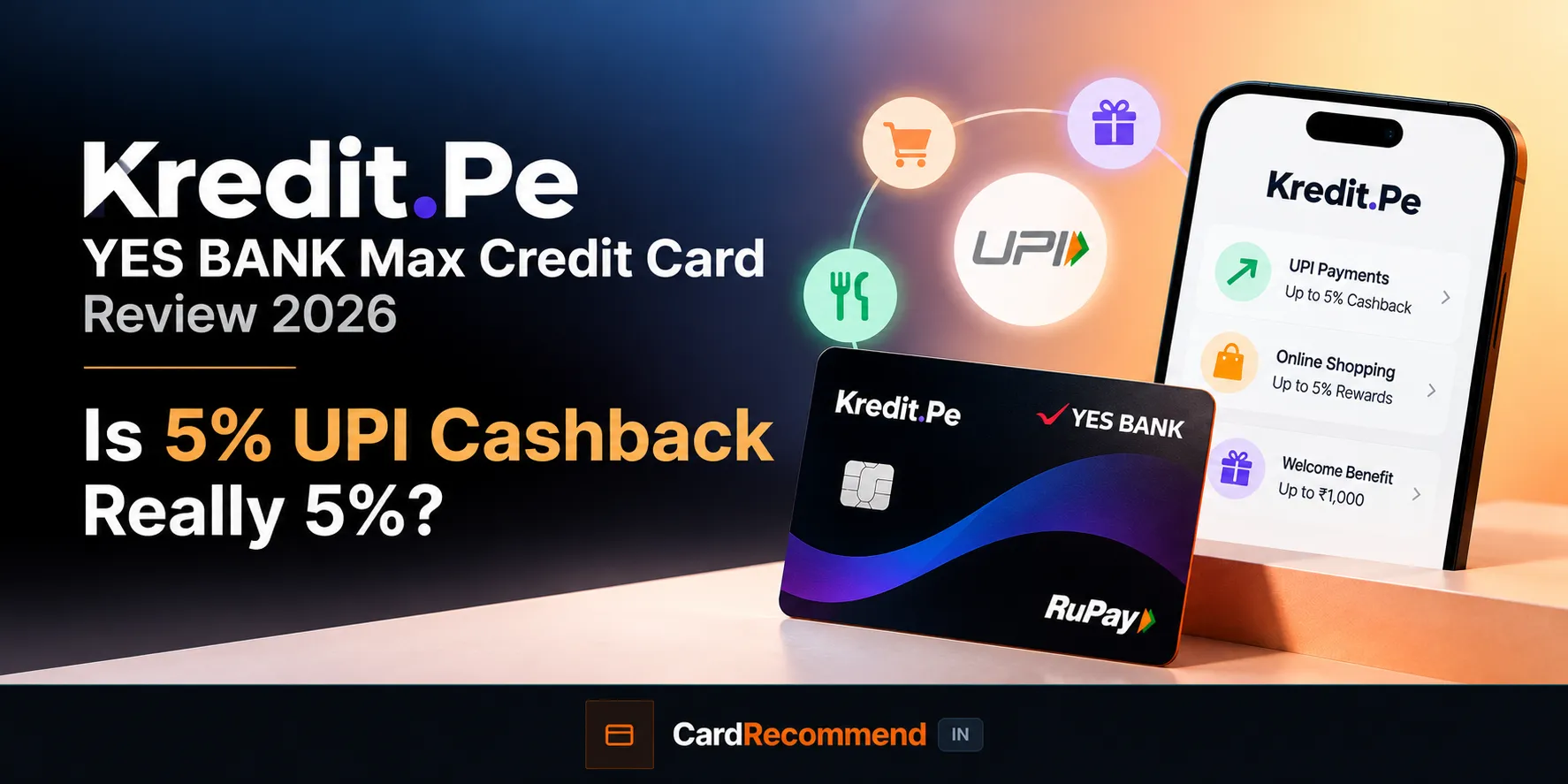
| Kredit.Pe YES BANK Max | 3% base, 5% above milestone | Kredit.Pe cashback balance | Threshold conflict and redemption restrictions | ₹0 | Compare → |
| Up to 2% Paytm UPI rewards | Paytm rewards ecosystem | Rate and redemption depend on eligible transactions | ₹0 |
The key difference is the reward currency.
Axis gives money back to the credit-card account.
Kiwi's standard rewards have a published rupee conversion.
Kredit.Pe uses its own cashback balance for selected vouchers, gold and other redemptions.
Paytm AU's proposition is tied more closely to Paytm's UPI, travel and gold ecosystem.
We wouldn't treat their headline percentages as directly comparable without accounting for those differences.
Axis SuperMoney vs Kiwi: Which Is Better for UPI-Only Spending?
For someone spending ₹10,000 a month entirely on eligible merchant UPI:
- Nominal reward: ₹300
- Actual credited cashback: ₹100
- Nominal usable reward: ₹150
Kiwi comes out ahead, assuming the transactions qualify and the user's monthly Kiwi cap doesn't intervene.
At ₹20,000:
- Axis SuperMoney: ₹100
- Kiwi: approximately ₹300
That is a substantial difference.
Kiwi's current standard terms put a monthly reward cap linked to the card's credit limit, and rewards accrue on qualifying ₹100 spending multiples. So ₹300 is not guaranteed for every holder regardless of credit limit.
But for a sufficiently eligible cardholder, Kiwi is clearly the more rewarding choice at ₹20,000 of UPI-only spending.
Axis SuperMoney can still win on a small amount of spending around ₹3,300, where it can deliver close to the complete 3%.
Beyond that, Kiwi's more straightforward structure becomes difficult to beat.
Axis SuperMoney vs Kredit.Pe Max at ₹20,000/Month
This comparison is particularly interesting because Kredit.Pe Max advertises higher UPI rewards but uses a more restrictive redemption system.
At ₹20,000 monthly eligible UPI spending:
Axis SuperMoney, with no other eligible spending:
- Actual card cashback: ₹100
Kredit.Pe Max:
- Nominal cashback balance at 3%: ₹600
Kredit.Pe currently advertises a 5% tier above a monthly milestone, but its public pages disagree on whether that milestone is ₹20,000 or ₹25,000.
That disagreement doesn't affect the first ₹20,000 calculation: under either published threshold, the first ₹20,000 sits in the advertised 3% tier.
The difficulty is redemption.
Kredit.Pe's ₹600 is not automatically ₹600 of direct credit-card statement cashback. Its balance is intended for uses including vouchers, gold, flights and other in-app discounts.
So the comparison is:
- ₹100 of definite Axis statement cashback
versus
- ₹600 of nominal Kredit.Pe reward balance with redemption restrictions.
Kredit.Pe only needs to deliver more than one-sixth of its nominal balance as genuine usable value to beat Axis in this particular example.
That makes Kredit.Pe potentially much stronger for someone comfortable with its redemption ecosystem.
But without a verified universal cash conversion, CardRecommend cannot honestly assign the entire ₹600 as liquid cashback.
For readers who want a more predictable alternative, Kiwi's published reward conversion makes the comparison easier.
Should You Apply for Axis SuperMoney in 2026?
That depends on your existing cards and how much you spend through UPI.
If you spend ₹5,000 a month on UPI
Axis gives around ₹100 if you don't make other qualifying purchases. That's a 2% effective return and isn't bad for a lifetime-free card.
But the final ₹1,600–₹1,700 of UPI spending beyond the sweet spot contributes little additional cashback unless other spending supports it.
If you spend ₹10,000 a month
We wouldn't choose Axis SuperMoney as your only UPI card. The effective return is just 1% when the entire ₹10,000 is spent through super.money. A suitable Kiwi-linked card can do better.
If you spend ₹20,000 or more
The card becomes considerably less attractive as a standalone UPI product. ₹100 on ₹20,000 is just 0.5%. You'd need another ₹60,000 in eligible spending to fully unlock the nominal ₹600 UPI cashback at this level.
That's not a normal spending combination for someone specifically shopping for a UPI cashback card.
If you're willing to split spending
Axis can still make sense. You could use it for roughly ₹3,300 of eligible super.money UPI payments each cycle and route the rest to another RuPay credit card with more predictable rewards.
Or, if you already use Axis SuperMoney extensively for eligible non-UPI purchases, its matching formula may support a higher UPI cashback payout.
But don't move spending away from a card earning 3%–5% elsewhere just to unlock 3% on SuperMoney. You need to calculate the opportunity cost of the other cashback you're giving up.
View Axis SuperMoney Card Details
Lifetime-free RuPay credit card offering direct statement cashback on eligible UPI transactions.
Compare Axis SuperMoney with Top UPI Credit Cards
See how Axis SuperMoney stacks up against Kiwi RuPay and Kredit.Pe Max on real net rewards and caps.
Ready to Apply for Axis Bank SuperMoney?
Genuinely lifetime free with zero annual fees and direct statement cashback on eligible UPI transactions.
CardRecommend Verdict
Axis SuperMoney is genuinely lifetime free and still offers real cashback. But the 3% headline is much less useful for UPI-heavy users after the January 2026 reward changes.
The card's biggest advantage is that rewards are credited directly to the credit-card account. There's no confusing Coin valuation, voucher marketplace or uncertain redemption conversion.
Its biggest weakness is the matching formula.
For a customer spending ₹20,000 exclusively through super.money, Axis can credit only ₹100 instead of the advertised ₹600. That's an effective return of 0.5%.
Even with another ₹10,000 of eligible spending, total cashback rises to just ₹200 across ₹30,000.
The old ₹500 statement-cycle cap may be gone, but Axis has replaced it with a structure that rewards customers who put substantial other spending on the same card.
Who should get it?
Someone who wants a lifetime-free RuPay card for a small monthly UPI allocation of roughly ₹3,300, or who already uses the card for enough other eligible purchases to unlock additional cashback.
Who should avoid it?
Anyone planning to put ₹10,000–₹30,000 a month exclusively through super.money while expecting 3% cashback on the whole amount. For that customer, the effective reward can fall to 1%, 0.5% or lower as spending increases.
Is it better than Kiwi?
For small, eligible UPI spending that stays within the ₹100 allowance, Axis can be stronger. For regular ₹10,000–₹20,000 UPI-only spending, we'd favour a qualifying Kiwi-linked RuPay card with its more straightforward 1.5% Scan & Pay earning.
Is it better than Kredit.Pe Max?
Axis wins on cashback transparency. Kredit.Pe has much higher nominal UPI earning potential, but redemption value and conditions need to be considered before calling it the stronger monetary return.
Our recommendation
Axis SuperMoney is a useful secondary UPI card, not our first choice as a primary UPI cashback card for a heavy spender in 2026.
At roughly ₹3,300 monthly eligible UPI spending, its 3% proposition works.
At ₹20,000, the cashback maths makes the headline much harder to justify.
Ready to Apply for Axis Bank SuperMoney?
Genuinely lifetime free with zero annual fees and direct statement cashback on eligible UPI transactions.
Cards Discussed in This Review
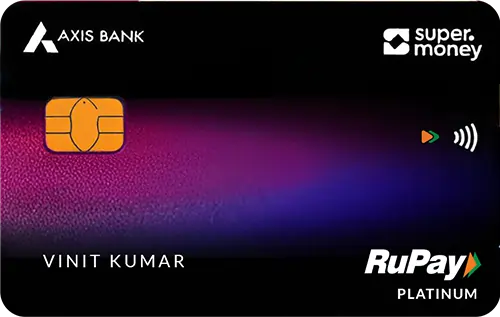
Axis Bank SuperMoney RuPay Credit Card
Flipkart Axis Bank Credit Card
Frequently Asked Questions
Is the Axis Bank SuperMoney Credit Card genuinely lifetime free?
Yes. Axis Bank confirms ₹0 joining fee and ₹0 annual/renewal fee with no annual spend threshold required for a fee waiver.
How does the 3% UPI cashback matching rule work in 2026?
3% cashback earned on UPI transactions via the super.money app is capped by the total 1% cashback earned from other eligible card transactions in the same billing cycle. If outside cashback is below ₹100, super.money UPI cashback is capped at ₹100.
What is the ₹100 special allowance on Axis SuperMoney?
When 1% cashback from non-super.money spending is under ₹100 (including ₹0), Axis Bank allows up to ₹100 of accelerated UPI cashback to be credited. At roughly ₹3,333 of super.money UPI spending, you reach this limit.
Does Axis SuperMoney give 3% cashback on Google Pay or PhonePe?
No. While you can link the RuPay card to Google Pay, PhonePe, Paytm, or BHIM for merchant payments, transactions outside the super.money app earn the standard 1% rate, not the accelerated 3% rate.
What happened to the old ₹500 monthly cashback cap?
Effective 1 January 2026, the ₹500 overall cap was replaced by the matching rule. This allows users with high non-UPI spending to earn more than ₹500, but restricts UPI-only spenders to just ₹100.
Can existing Axis Bank credit cardholders get the SuperMoney card?
Per Axis Bank's published terms, among existing Axis credit cardholders, only Flipkart Axis Bank Credit Card customers are currently eligible to apply. Other Axis cardholders are generally restricted.
Can I send money to friends and family via UPI using Axis SuperMoney?
No. Under NPCI guidelines, RuPay credit cards on UPI are restricted to eligible merchant QR payments (P2M). Peer-to-peer (P2P) transfers to friends or family are not supported.
What transactions are excluded from earning cashback?
Exclusions include utility bills, mobile recharges, insurance premiums, education fees, government services, fuel, jewellery, rent payments, wallet loading, gift cards, tolls, cash advances, and EMI conversions.
Does Axis SuperMoney offer complimentary airport lounge access?
No. The card does not include complimentary domestic or international airport lounge access.
Which is better for UPI spending: Axis SuperMoney or Kiwi?
For small UPI spends under ₹3,300, Axis SuperMoney can deliver 3% (up to ₹99). For regular UPI spending between ₹10,000 and ₹20,000 without other card spending, Kiwi is significantly better (yielding ₹150–₹300 vs Axis's ₹100).

Founder & Editor, CardRecommend
Founder & Editor of CardRecommend. Dedicated to researching credit card reward structures, fee waivers, airport lounge policies, and calculating real user value across Indian financial products.